Jatai Academy Trend Connect Desktop Banner
Jatai Academy Trend Connect Mobile Banner

TREND CONNECT

Trend CONNECT puts 'what's new' together for you when it comes to the season's most current trend updates in fashion, hair design, make-up, skin care, nails and grooming products. From the runway to the red carpet, Trend CONNECT puts you in touch with what really impacts your world as a stylist, barber, nail artist or consumer.

SIGN UP FOR UPDATES
Filter

Tutorial

Scarlett Johansson Short Hair Tutorial - Her Iconic Undercut

Tutorial

Scarlett Johansson Short Hair Tutorial - Her Iconic Undercut

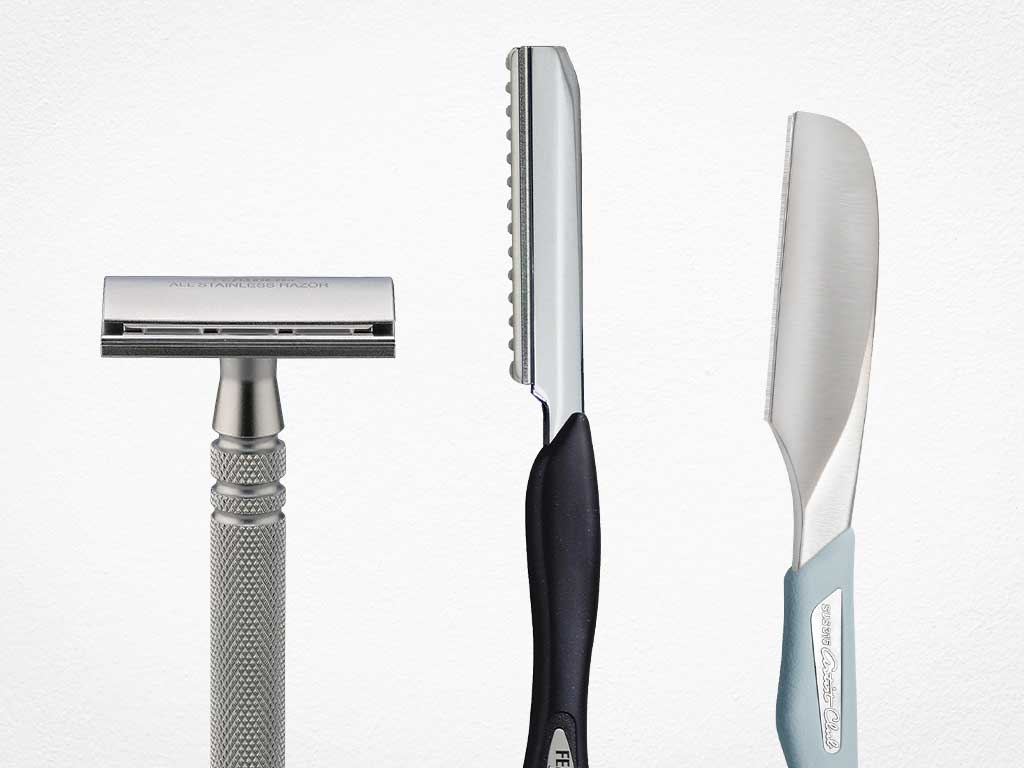
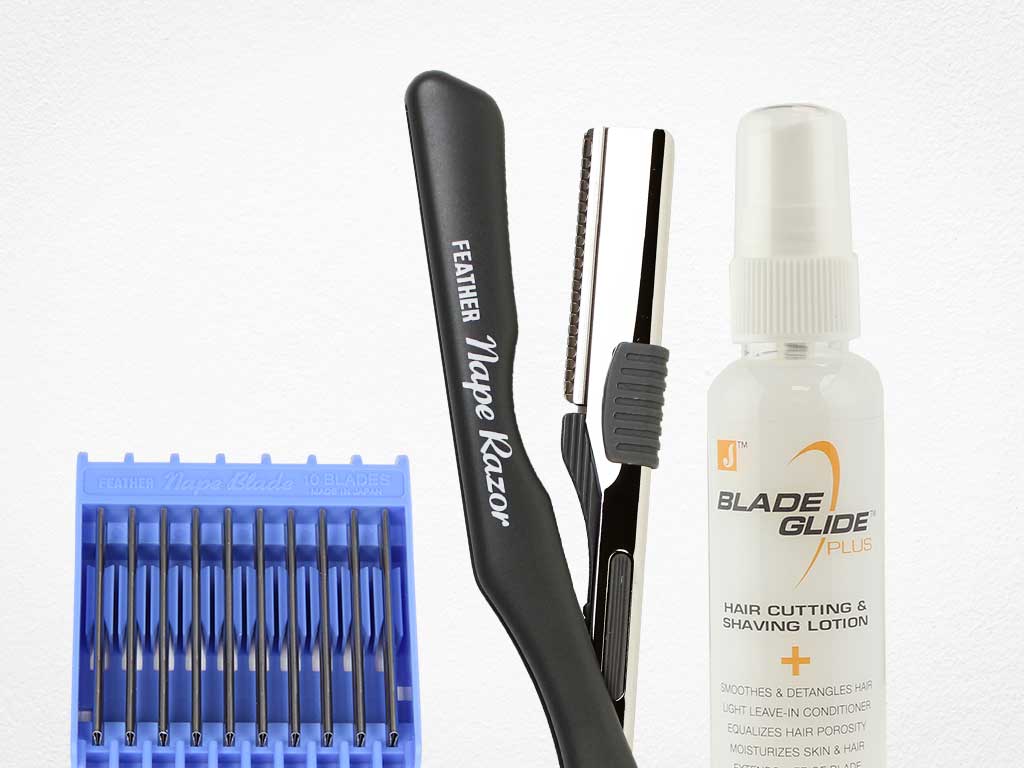
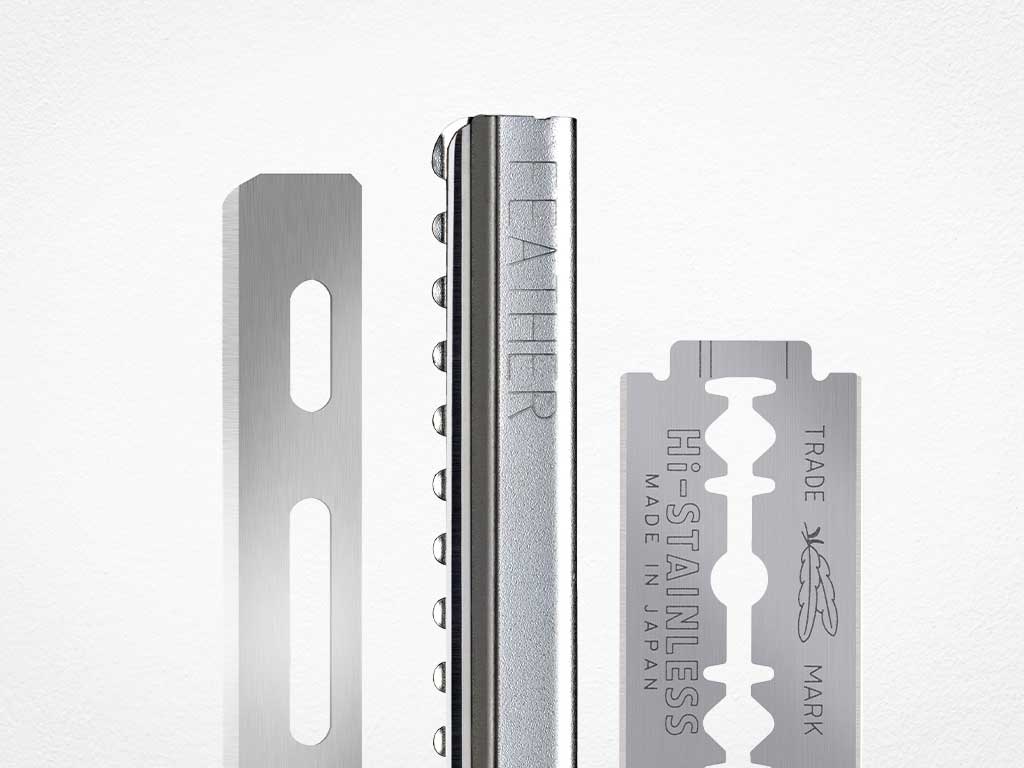
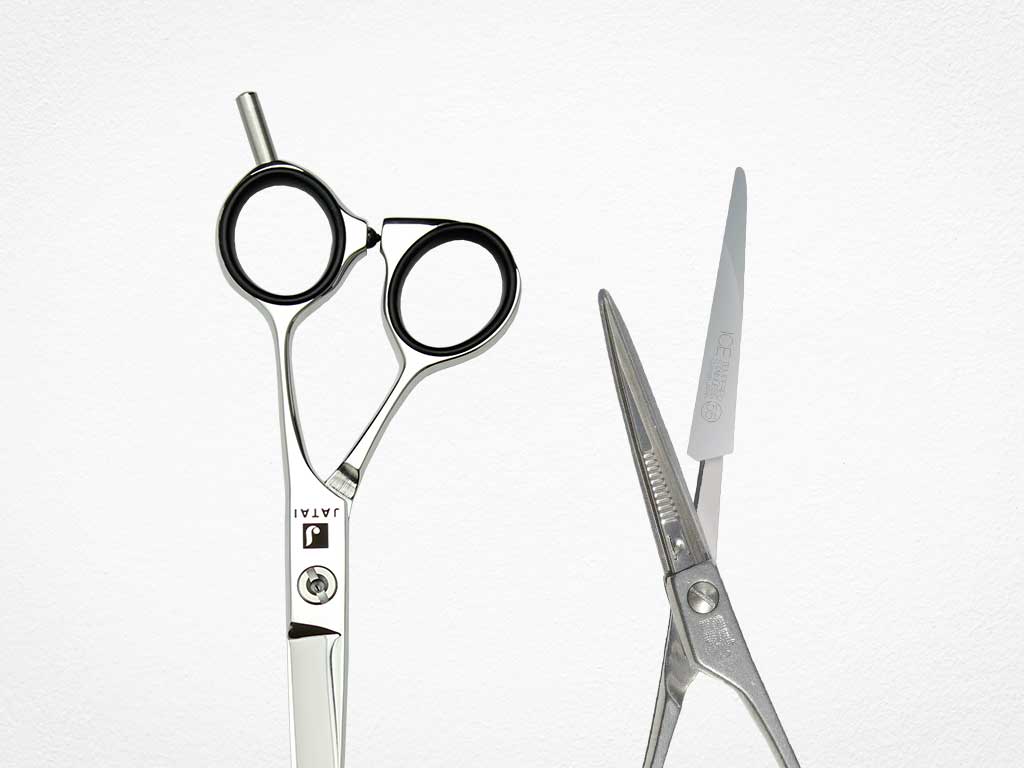
Have you ever wondered how to create Scarlett Johansson's short undercut hairstyles she rocked around 2014 to 2017? In this article and video Russell Mayes, Director of Content for JATAI, guides you in a step-by-step Scarlett Johansson short hair tutorial on how to achieve this iconic style. This look is timeless and needs no update. You can get the full YouTube experience by watching this video below (which is also featured in our Education Connect portion of Jatai Academy. You can follow along with the transcript below. Scarlett Johansson Short Hair Tutorial: Welcome to the Jatai Academy. Today we're going to be doing an undercut, the undercut that Scarlet Johansson wore for a while and I think it's very cool. So let's get started. So if I'm looking at you know some short hair that Scarlett Johansson wore. When it was really short it was basically an undercut with the top grown out longer. Then at a certain point she decided to let the undercut grow out and we started getting a little bit longer in the sides. And I think that it was very very stylish and she did a great job of the grow out period because sometimes when it's cut really short underneath it's hard to grow that out. But you know hairstyles like this that show the in between where she was growing it out, I think are really really modern today. So let's take a look at how to do that. So we've gone through and sectioned out the top of the head from the bottom of the head.   Clipper Cutting Now we're going to go through with the clipper and we're going to cut everything underneath pretty short. So I'm not going to go through and be really perfectionistic about my clippering right now. I just just want to go through and remove most of the length so that I can go through and change the texture a little bit later on. Now this first section right up the middle I'm basically just guessing at the length that I want and I'll go through and just go through the motions of cutting it. Then I'm going to look at it and see is that type of length that I want. I think I want to leave this a little longer than it being cut really really short. And I think that that's looking pretty good. So now from here I have a guide. As I start to work around the head I can use the guide in the center for the guide that I'm cutting for the hair that I'm cutting as I move left to right. So this is a very very classic tapering technique where I'll start shorter at the bottom and get longer as I go up the head. So it's shorter here at the bottom hairline and it gradually gets longer. So in the back I've worked horizontally. Then, I come to the side and I work horizontally. And then I'll go through and work an angle which is going to be parallel to this hairline right behind the ear. I'll work the angle to blend the two together. Now that way I've got a rough shape into it and then I can start to fine-tune my shape from here.   Thinning Scissors And now I'm going to use my Jatai Tokyo Thinning Scissors and I'm going to go through and trace what I've got cut underneath initially just to soften everything up. Now this is going to go through and do two things: it's going to remove weight and make it softer and it's also going to make it a little bit shorter so I can get a little bit cleaner. And it just takes a little bit of time and a little bit of practice and some patience to go through and do this but the end result is going to be worth it. So I'll start and I'm going to go through and scissor over comb and trace everything that I've already cut and just cut the last quarter inch of the hair to make sure everything is softer. Now when I first start going through I'm not going to see a whole lot of result and that's okay. I will be able to fine-tune it once everything's dry and I've got everything in its natural fall. Now right here I don't like the way that's fitting in so I'm going to go through and hit that a few more times and see how it reacts and that's reacting a little bit better. Now we've gone through and we've dried the underneath so that I can see exactly how the hair is going to react, how short it's getting and how much texture I'm putting in through it. Now I'm going to go through. I like this length that we got here. I'm going to taper that in a little bit tighter around the edges in the nape and I'm also going to take this a little bit shorter over the ears. I think that that would look better if that's a little bit softer and shorter. So now I'm going to go through and do the same sort of scissor over comb that I was doing with my Tokyo Thinning Scissors but on dry hair and I'm going to really start to fine-tune and fit this in. So what I'm going to do is basically scissor over comb everything and taper this in a little bit tighter just here in the at the bottom of the nape. Now these mannequin heads can get a little pokey around the edges where the hair gets short and that's okay. I'm just going to fine-tune that in just like I would a shrubbery or something of the sort or I'm just going to visually cut it in to make it fit and take some of the length off and still keep it soft. One of the pictures that we saw she was really blended here in the back and then it got longer and disconnected towards the front. So that's what we're going to do. So in order to do that I need to separate the front of the head from the back of the head. So I'll find where the crown is, take that section to the top of the ears. So now we've got from the crown going back. And the way I'm going to do that is I'm going to pivot right in the center.   Razor Cutting Hold this out at curvature of the head which is going to be like that. So I'll just lay the comb where it sticks out. I want the top of this section to be held at that angle as I'm pulling the rest of it out vertically. So it's going to look like this right here. Now I'm going to continue that angle of my graduation that I started from tapering the underneath on up to the top. And I'm going to use my Feather Styling Razor in pink. So we're going to start right here in the middle, hold this out at the proper elevation which is going to be right there. Start where my short hair is, gradually build that out to my longer length. Don't miss anything. Comb. Look at that. See how that's going to blend. I think that's going to be fine. So we're going to continue on. Now I will pivot my next section which is going to pivot to the corner of the hairline. I'll pull this out, same elevation right here at the top center. There's my length falling out. Pull that up and out and through. Next section, pivot to the mastoid, that bump right there behind the ear. I'm going to pull this back. There's my line underneath. Go through. Razor that through. Anything that hangs out that I missed, cut that off. Got that. The last section, I'll pull off the peak curvature of the head. There's my guide underneath. Go through. Razor that off. Now this is going to completely blend with the back so that when this fluffs up it's going to blend beautifully through here and it also gives me a length that I can start building my length going towards the front. So now from here I'm going to take the right half. I'm going take a horizontal section and I'm going to use this length that I created in the back here and blend that through towards the front. So I'm going to hold this out off the peak curvature. There's my line and then I'm going to guess how long I want it in the front and I'm going to start building up more length as I get to the front holding this out at peak curvature of the head. The way that I can always check that is just hold the comb right there at the parting. Wherever that elevates to, that's where I want to hold that. Now I'm going to continue taking the same horizontal sections until I get to the center of the head. Again, going off the curvature of the head starting at the tip of my blade. And as I work through the section I will go towards the heel of the blade. So that way I can evenly dull the entire blade at the same time. And I think that that's looking pretty good. There we go. Now we're going to do the same thing on the other side.   Texturizing We've got our basic shape in and now I'm going to go through and put a little bit of internal texture into it using my Jatai Feather Styling Razor that has the Texture Blade into it. Now the Texture Blade has little gaps in it that prevent hair from touching the blade so it's only cutting like every other hair and I'm going to go through and hold the section horizontally, lay the blade against the head and just gently fillet through and you can see how that's creating separation through there and taking some weight out of the ends. Now I don't want to go through and be very aggro and you know like He-Man it. I want to go through and gently just apply a little bit of texture to take some of that weight out and give me a little bit more separation. I'm going to go through and methodically work every section without picking up previous sections that I've already texturized. That way I don't over thin one particular area. An area that may have a little bit more weight, I may go back through and do, but my first pass through I want to be very very judicious in my application of texture. Nice, easy. Removed the weight. Gave me some separation. I think that's looking pretty good. Now this section right here in the front I'm going to go through and take a little bit of that point off because when I pulled it both over to the sides that's going to leave me longer in the middle. So I'm going to go through, comb this through and down and take a little bit of that point off and I'm going to do it with my Texturizing Blade so that I can keep everything really really soft and textured.   Final Look Here's our end result. We've got you know a little longer in the front. We've got it undercut underneath on the sides and the back. We kept it really soft and a little bit longer so it's not that hard edge and it blends through here in the crown which I think looks pretty good. And she wore her hair a lot of different ways. Sometimes it was down and kind of swept over a little fuller in the back like we did here. Sometimes it was very much up you know and gelled up and off of her face you know kind of to the side, so for the award show or the fashion show she was going to. The Scarlett Johansson curls were elegant and striking. She wore it a bunch of different ways and this haircut is very very versatile for that. Scarlett Johansson with short hair was an iconic hairstyle for her and is still remembered to this day. Scarlett Johansson hair 2015 is still a beautiful style that's modern for today's looks. So add it to your repertoire. Let us know what you'd like to see in the future. Check out the Jatai Academy. There's all kinds of great information on there that will make you a better hair stylist and barber and we will see you next time. Thank you for watching. If you liked this Scarlett Johansson hair tutorial, you may like our other tutorials in our Education Connect section of Jatai Academy.   Tutorial
Modern Soft Razored Pageboy Hair Tutorial

Tutorial

Modern Soft Razored Pageboy Hair Tutorial

If you don't know what pageboy hair is, it was a popular hairstyle in the 60's and 70s which looked kind of like a mushroom. It was often worn by both men and women. The look back then consisted of blunt short hair that framed the front of the face with bangs. It didn't have much volume. In fact, the hair laid straight down but curved at the ends. It was often short in length and didn't go below the neckline. In this video, we share the art of achieving a softer razor cut version of the timeless page boy haircut. With a modern approach to the cut, the style gets a makeover that's appropriate for today's looks and haircuts. In this video Jatai's Director of Content, Russell Mayes, shows a step-by-step instruction, emphasizing precision and technique to create a modern and flattering interpretation of this classic style. You'll learn the fundamentals of razor cutting, exploring the nuances that give the page boy haircut its distinctive softness. He uses the Feather Styling Razor, Feather Plier Razor, Jatai Tokyo Scissors and some JATAI Blade Glide to achieve this iconic look. The tutorial offers a straightforward and informative approach to achieving the perfect soft razor cut pageboy hairstyle. To make it even more modern, change up the color or style it in a unique way. Watch the video tutorial or follow along with the transcript below.   Modern Soft Razored Pageboy Hair Tutorial: Welcome back to the Jatai Academy. Today we're going to be doing a modern softer pretty version of pageboy hair. So let's get started. Pageboy to me is one of these classic haircuts that was very popular in the the late 60s early 70s and it's very very blunt and very very solid. And to me I never thought that it looked good. I never thought it was very appealing but that's just my own aesthetic. No I should take that back. The only people that I think the pageboy looked good on were the Ramones. I thought the Ramones wore it very very well and so my challenge today is how do I take this haircut that I don't necessarily have an affinity for because I feel like it's just this blunt kind of mass mushroom of a shape and how do I make that pretty? So I think the way that I modernize it and make it pretty and is to make it softer because the the classic pageboy is very very blunt all the way around. Everything's cut at zero elevation. It's very very solid kind of halo bowl cut mushroom shape. So I'm going to try to soften it up using my Feather Styling Razor and also my Feather Plier Razor to create some internal texture. The Back So the way I'm going to start is I'm going to comb a center section straight down. I'm going to judge where I want my overall length to be and I want something a little longer than the hairline but not so much that it's starting to hit the shoulders and flip out. And then I'm going to hold everything down and I'll take a fairly short stroke and just go straight across and cut that all one length. Here I don't want to pull this back. I'm going to keep her head kind of straight forward. I'm going to comb this straight down and natural fall. Work that line all the way around trying to use the same razor stroke that I was using earlier. To make this a little bit more solid through here I'm going to use my Tokyo Scissors. These are the 5 and 1/2 inch ones. I'm going to come underneath, comb that down, zero elevation and just go through and blunt that line up just a little bit. Cut some of that graduation off underneath on the bottom. Okay now I'm going to go through and separate the front of the head from the back of the head. I'll find the high point of the head bring that straight down to the top of the ear. And now I'll go through and take my next section, keep that parallel to my previously cut section. Follow my previously cut guide and cut that all blunt one length. Everything's getting combed straight down to the floor. And just continue this until I run out of hair.   The Sides Alright, so we got the whole back finished. Now we're going to work into the sides. Take my first little flat section where the comb lays flat against the head and I'm going to angle that all the way back into the mastoid and the reason I'm going back to the mastoid is so that I pick up a little bit of this hair that I cut in the back. So now I have a guide to cut two. So I'll cut the front short and it'll be easy for me to know where I'm cutting two from. Does that make sense? Yeah two from. Going to hit this with a little bit of Blade Glide to make sure I keep everything an even saturation. I'm going to start right in the center, right between the eyes straight down. Now when I comb this you'll notice that the comb is away from me. As I get up to the root I flip the comb. That's the only tension that I'm going to use. I'll lay my hand right where I want to cut the section. I'm going to leave these a little longer. I don't create any tension at all and then I'll go through with my razor and cut that straight across. Now here when I comb down the sides, this is my short piece. This is my long piece. So I need to determine what that angle is going to look like and most of the time most people will take this section and pull it forward and then go through and cut their angle. By me pulling this forward what I'm doing is I'm introducing movement into the hair. It's going to start to shift back. So instead of it being straight down in pageboy I'm going to end up with kind of a Dorothy Hamill feather kind of look because I'm pulling it forward. So when I pull it forward it's going to be shorter in the front longer and the back. So it's going to shift back. So what I'm going to do to counter that is I'm going to comb everything straight down. It's going to be a little challenging. I'm going to go through comb everything straight down, I'm going to angle my fingers, the angle that I think I need to go to get here, comb that straight down. There is my short piece. My long piece is there. Now combing this straight down I'm going to cut my shape through it. Now we're starting to get that kind of curve that's very reminiscent of a pageboy. Continuing this as I go to the sides. There's my line. There's my angle I'm cutting to. Cut that down and through. Next piece. Fight the urge to pull forward. I want to comb straight down, angle my fingers and then cut that line. Take my next section. Same angle that I took before. Take a little bit more hair. Pin this out of the way and continue combing everything straight down in natural fall, angle my fingers the line that I want to cut. There's my line. The razor will match that line. I'm combing everything straight down. There's the line. The razor matches the line. Cut that off and through. If I have anything that doesn't quite match clean that up a little bit. Take your time. And now we're beginning to get a nice little shape through there. So continue on till I run out of hair.   Modern Texture So now let's go through and I think putting some internal texture so we can get a little bit more softness and flicking going on instead of it just being a mushroom. I'm going go through and take an angle similar to what we were working with before. And now I'm going to go through and use my Feather Plier Razor. That way I can make internal texture and make that separation with much more dexterity and control than I can with my regular Feather Styling Razor. If you're looking to get into using a no guard razor, this is a good way to start because this is the easiest way to use it with the least amount of fear of cutting yourself. We got that. Same thing here in the back. I will probably do less in the back than I will on the sides and on the top because I still want to maintain that heavy moppy shape. Now I'm going to go through and do a little bit more weight removal as methodically as I can be for the rest of the hair. Now if you're working on somebody that maybe doesn't have as thick a hair as my doll head does maybe you don't do as much texturizing internally and you keep it just on the very edges and on the very ends and that will get you that separation to it without thinning it and make it feel any finer or thinner.   Bangs So we've saved the very best for last which is the bang section and the reason I saved that for last is so I'm already warmed up with my razor action. I have a good feel for how the hair is reacting to it so when I'm dealing with something as vital as around the front I can be more judicious about application of how much that I'm going to take out, how much hair I'm going to remove. So I'm going to start. I may start with half of this section, pin that out of the way, come in and just very gently go through and remove a little bit right in the front. I would rather remove too little than to remove too much. And I think that's looking good. And then the very last section is this hair that may hang over it. I'll take a little deeper but a little bit further apart with my internal razor stroke so I can get some separation and weight removal without taking too much out. And I think that that's a good place to stop with the wet cut. So let's blow it dry, take a look and fine tune it when it's dry.   Final Look Here's our end result and uh I think it's a nice soft version of classic page boy hair. I think it looks a little bit more modern. It's a not quite a Ramone but it certainly has some texture and some movement to it, some softness. And I think that this shape would work really well on some curly hair that had a little bit more puff to it. I think that would be really really pretty. Check out the Jatai Academy. There's all kinds of great information on there to make you a better hairdresser or barber. Also let us know what you'd like to see in the future and thank you so much for watching. We'll see you next time. I appreciate it.   Tutorial
The Bixie Haircut Over 50 Tutorial

Tutorial

The Bixie Haircut Over 50 Tutorial

As women get older they look to more mature hairstyles. But they still want something stylish and up to date. Short haircuts are often associated with being more mature. And as women age, generally their hair gets thinner so giving it more hair texture and layers to appear more voluminous is desired. You can find many haircut ideas for short hair but you might want to look at bixie hairstyles for older women. It's time to watch this bixie haircut over 50 tutorial. Unlike the mullet or sometimes the shag, bixie haircuts are more favorable for older women. It can work well with the young modern woman and it can work great for women over 50. It's classic style that can be worn by women of all ages. The bixie is basically a pixie bob haircut. It's a combination of a bob in the back and pixie cut in the front. It's a short hairstyle that's trendy yet classic. Follow along with the bixie cut video below or read through the transcript. This bixie haircut over 50 tutorial video guides you on how to create this beautiful haircut for your older clients.   Bixie Haircut Over 50 Tutorial: Welcome back to the Jatai Academy. I'm Russell Mayes, Director of Content for Jatai and today we're going to be studying how to do a bixie haircut. A bixie is basically a bob in the back and a pixie in the front. So we're going to start here with a natural center part. We're going to section off a little above the occipital bone to the center of the ear. Then we're going to take a triangular section right in the center and I'm going to use my Feather Plier Razor. It is the sharpest razor I have. It also has the most control and gives me the most detail of any of my razors in my collection.   Creating Graduation in the Back I'm going to pull this out at 90 ° from the head and I'm going to imagine what angle of graduation that I want to create here in the nape. So pulling it 90 ° and cutting it a little longer at the top of the section getting a little shorter at the bottom. And I'll just go through with a nice even razor stroke all the way through and then I'll start to pivot from the center out towards the edges. I'll pull that back into my previously cut section, find my guide and then follow my guide as I work forward.  So this is a classic you know triangular graduation type of graduated bob that we're doing in the back where it's nice and tight down at the nape and slowly starts to stack and build some volume in the back of the head. Now I'm going to continue my sections here and continue my razoring and trying to keep the razor stroke the exact same throughout all my sections so I can keep an even amount of weight distribution through each section that I'm doing. I've gone through and prepped the hair with a little bit of Jatai Blade Glide to give it a nice smooth cutting experience. Now we're here. We're working on the last section. You'll see me pull that out, find my guide from underneath and work towards the edges here around the jawline.  And I want to hit this right around the jawline right just a little bit under the ear so when it falls forward it falls and curves with the jawline and with their natural bone structure. Now I'll go through and do the exact same thing on the other side. Starting back at the center. Taking my center section and continuing to razor just like I did on the other side. The important thing here is that I'm cutting from the inside towards the outside. As opposed to always cutting from right to left, I'm cutting internal out. Doing this method makes cutting the right side of the head a little bit more difficult because I actually have to cut over the hand that's holding the section. So I'm cutting from the inside of my fingers towards the tip of my finger. Where on the other side I was cutting from the tip of my finger in towards the knuckle of my fingers. And just following the same guides that I was doing and trying to create the same angles and the same shape on both sides. Again, pulling out my last section, following my guide, working that in and trying to make sure I fit this right under the ear right around the jawline.   Sculpture Cutting Now here after I've finished all of that I'm going to go through with my Feather Styling Razor. Now the Feather Styling Razor has a guard on it so I don't have to be as careful. So what I'm going to do here is called a sculpture cut where I'm just basically running the blade across the top of the hair and going through and tapering it and thinning it. At the top of the section up where my parting is, I use a lot less pressure. And as I get down to the nape where the edges are I'm using a lot more pressure. So I'm going to take out more hair down at the bottom of this section and less hair at the top. So what this is going to do is it allows me to keep the same shape that I have but I'm thinning it out a little bit around the edges and making those bottom hairs flow and separate and become really really soft. Now this method does take a little bit of practice. So the first time you're going to do it you're going to go through and use way too much pressure and just whack a big hole in it. So I urge you to practice this on a mannequin head or practice it on somebody that loves you that can't get too mad at you because the first time you're going to remove some hair.   Continuing the Graduated Bob So now we're going to go back and continue our graduated bob. We're going to take our next section. This is going to go to the high point of the ear. We're going to pin all the other hair out of the way. I'm going to pull this out off of peak curvature of the head which means that if I lay the comb right at my parting at whatever angle of elevation that that comb is showing me that's the elevation that I'm going to pull the hair up to. And then I'm going to use my guide from underneath and continue my graduated bob. So this will help me build up some shape, build up my bob in the back. But also because I'm using the razor it's going to keep all kinds of texture into it and I can control how much weight builds up. So I can have a really solid shape, but it will be very very soft in its appearance because I'm using a razor to apply the shape. Do the same thing on the other side just, trying to make sure I get the sides matching being careful not to cut myself too.   If you haven't already, please give us a thumbs up, click the subscribe button and the notification bell to be notified of any future Jatai Academy content.   Now we're going to continue on and taking parallel sections to the previous sections that I had underneath and just continuing that on both sides. I'm going to pull everything pined out of the way start in the center, find my elevation. Right there is my elevation. That's how I'm going to elevate that and hold that up and then follow the guide underneath, keep a broad razor stroke and continue my graduated bob. Now whenever you're going to start to use a Plier Razor you know a razor without a guard, I have to be very sensitive to the razor stroke and the moving of it back and forth. If I can take the razor and just go straight up and down, I won't cut myself even if I touch my finger. The reason that I'll cut my finger is if the blade is moving back and forth, not just up and down. So sometimes I start with a circular motion and that's when I can cut myself. Whereas if I just continue to go straight up and down, I run far less of a risk. Here you can see where my graduated bob is giving me a nice little corner right around the front and continuing that nice solid shape. Going back to cutting with the razor, start small. Take your sections small. Don't start with large sections. Small sections are a lot easier to control. When I apply the razor to the hair, I want the razor moving. Moving razor cuts so much easier than me trying to force it. And also, I want to make sure that I have a very very sharp blade. The sharper blade makes it effortless to cut. If I feel that the hair starts to push or I have to push the razor against the hair to get it to really cut, it's time to change the blade. Now here's our last section and I'm just combing everything in its natural fall and even distribution around the natural parting. And anything that hangs over from the hair underneath, I'm going to cut off. Now this elevation here as you see I'm getting around the front.   The Fringe Around the front I will elevate it less to build up a little bit more of a solid shape there around the front. So elevate more in the back, a little less around the sides. That will give me a nice bob shape. And just taking my time and making sure everything fits in nice and tight like I want. Continuing the same thing on the other side, trying to match my razor stroke as much as I can. The more that I can match my razor stroke on both sides obviously the more even and the smoother and the more balanced that the haircuts going to be. I could always go back in and you know thin hair out more by channel cutting it, but the more optimize that I can get while I'm cutting it the better it's going to be and the more that the shape is really going to set in. Here we're going to start around the front. I'm taking a section from my bang section all the way to the high point of the ear and now I'm going to go through and start working on my little pixie bangs and blending that into the corner of my little bob shape right there around the bottom. I think this is too much hair so I'm going to pin some of that hair out of the way. And I'm pulling this straight forward. There's my little bang shape and I'm cutting that down in a nice broad stroke all the way to the corner of my bob shape in the front. Right there. That's the length I'm going to and I want to make sure everything blends through. As I need to I'll go through and channel cut some of that out to make sure that my texture is really soft and really separated around the front. I want to see a lot of separation around the front to give me a little bit more movement and a more lived in type of shape. I think that you know hair fashion right now is all about soft movable shapes. It's not about this real precise glass smooth types of precision that was so prevalent in the 70s. There's so much more freedom of movement in in today's modern hair shape than it was in the past. So we're going to continue on with that. Now we're going to take our next section, pull that forward, follow our guide from underneath. We're going to channel cut first and then cut the length off so that we can kill two birds with one stone, channeling, removing of weight and removing of length.   If you don't already, please follow us on your favorite social media @jataifeather. We've got Facebook, Instagram, Twitter (X), Pinterest and even TikTok.   Beveling the Shape Now I'm just shaking it to see how it fits in to see if I need to remove any more weight around the front. Going to continue on. As I continue back from the front, I am elevating the hair. So by elevating it it's going to remove more weight than if I just continue to pull everything forward. So this is going to actually bevel my shape going from the front to the back. So I'm cutting a round shape not only from the top going down but a round shape from the front to the back. So it's going to have more fullness around the back especially around the ears because that's going to give me my bob shape, but it's also going to be really really layered really textured so I get that pixie shape around the front and around the top. So I get that shortness and that airiness around the front, but I also have some hair to give me some fullness around the ears and make it much more interesting than if it's just a pixie haircut all over. Continuing to channel through. I'm going to do the same thing on both sides. I'm going to work this all the way to the center of the back and then continuing to elevate bringing that into my previously cut section. Being mindful of my razor stroke. Being mindful of how much texture that I'm applying, how thick each section is. Because when you hold it up you can see where the sections are thicker. I'll take out more like right through there. That's pretty thick. We'll take some of that out. As I get to the bottom maybe it's not so thick so I don't take as much out. So I want to pay attention to that and each section gets its own attention to detail to make sure it fits within its own boundaries. That's why I'm always shaking it so much like this to see if there's any weight that sticks out like I don't want and to make sure everything's flowing and give it a nice kind of lived in.   Final Look So here's our end result. Here's our shape. We're going to go through and blow it dry and I'm just going to put the diffuser on, put a little bit of texture spray into it and just go through and diffuse it and use my hands to style it as opposed to using a brush because I want this to have a natural lived in shape. And the diffuser and my hands will help me develop that. Put a little bit of styling cream on it at the end just to smooth some of my texture out make sure that I got my pieciness in there like I want. Here's our end result. And you know I think it looks pretty good. We got a nice little bob shape there on the sides in the back that you can tuck behind the ear or I can have that come forward. Got a lot of variety. I like it. Please check out the Jatai Academy. There's all kinds of great information on there to make you a better hair stylist and a better barber. Also, let me know what you'd like to see in the future and thank you so much for watching. We really do appreciate it.   Short Bixie Haircut Over 50 Final Thoughts As you can see If you followed along in the video, you can see how this bob pixie haircut can work with a range of ages. It's classic yet modern look can be adjusted and styled based on client preferences. You can make it a pixie bob haircut with bangs or small curtain bangs and you can style it for more volume or more flat. It's a versatile cut that women can appreciate. Tutorial

Showing 27/27