Filter and sort

1 product

0 selected
$

0

$

131.40

0 selected

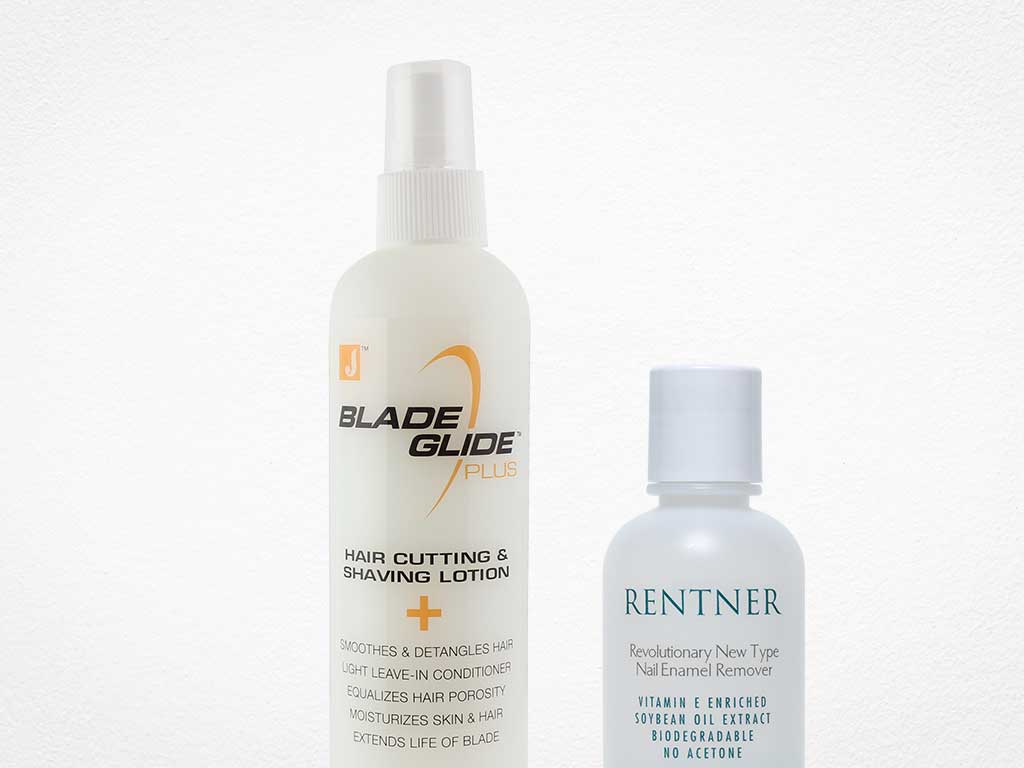
Jatai Blade Glide Plus 8oz

JATAI Blade Glide Plus 8 oz

From $10.95

RELATED ARTICLES

10 Safe Practices for Shaving to Minimize Cuts, Irritation and Razor Burn

10 Safe Practices for Shaving to Minimize Cuts, Irritation and Razor Burn

by JATAI, 06 Dec 2023
Shaving is a daily grooming routine for many individuals, but it can sometimes lead to unwanted consequences such as cuts, irritation, and razor burn. However, by following a few safe practices, you can minimize these issues and achieve a smooth and comfortable shave. Whether you regularly shave your face or your face or other bodily hair such as legs and armpits, these tips will help you achieve a clean shave while keeping your skin happy and healthy.   10 Shaving Practices: Prepare Your Skin and Hair Before you start shaving, it's important to prepare your skin and hair properly. Take a warm shower or wash your face and/or body part with warm water and non-drying soap to soften the hair. If you are shaving the face, use facial cleanser. This will make the shaving process smoother and reduce the chances of irritation. Avoid using hot water, as it can dry out your skin.   Exfoliate Regular exfoliation helps remove dead skin cells and unclog hair follicles, leading to a closer shave and reducing the risk of ingrown hairs. Gently exfoliate your skin using a mild scrub or exfoliating glove before shaving. By eliminating dead skin cells you leave a clean canvas to work on, making it easier for the razor to shave over the skin.   Apply Shaving Cream or Gel Using a good-quality shaving cream or gel helps lubricate the skin, allowing the razor to glide smoothly and minimizing friction. Look for products that are suitable for your skin type and free from harsh chemicals. Apply a generous amount to the area you're shaving and leave it on for a minute or two to soften the hair further. While many shaving creams lather and form a white foam, it's easier to see through a clear gel or cream. Seeing what you're shaving can help prevent any unnecessary nicks or cuts. For example, if you have any bumps or areas of the skin that could be impacted by a razor blade, it's best to shave around that area rather than over it. One shaving cream that is non-foaming is JATAI Shaving Cream.   Use a Sharp Razor Blade A dull blade can cause more cuts and irritation, so it's crucial to use a sharp blade. Replace your razor blades regularly, ideally after five to ten shaves or when you notice any signs of dullness. Consider using a high-quality double edge razor and blade (such as Feather) as they provide a closer shave than cartridge razors. However, if you must use a cartridge razor and blade, opt for the least amount of blades (no more than 3) to reduce irritation.   Shave with the Grain Shaving against the grain may give a closer shave, but it increases the likelihood of cuts, razor burn, and ingrown hairs. Instead, shave with the grain (in the direction of hair growth) to reduce irritation. If you want an even closer shave, you can go across the grain after the first pass, but avoid going against it. Evaluate your hair growth patterns before you shave the area.   Use Light Pressure Applying too much pressure while shaving can lead to nicks and cuts. Let the weight of the razor do the work and glide it gently across your skin. Avoid repetitive strokes on the same area, as it can cause irritation. Rinse the blade frequently to remove hair and shaving cream buildup.   Rinse with Cold Water and Pat Dry Once you've finished shaving, rinse your skin with cold water to close the pores and soothe the skin. Cold water also helps reduce inflammation and any potential redness or irritation. After rinsing, pat your skin dry with a clean towel. Avoid rubbing, as it can further irritate the skin.   Use an Alcohol Free Toner Toners help balance out the pH of the skin. Using a cotton pad soaked with toner, wipe the freshly shaved area. Alcohol-based toners and products can dry out the skin and cause stinging or irritation, especially if you have sensitive skin. Opt for alcohol-free alternatives.   Moisturize and use Sunblock Moisturize your skin to replenish moisture and provide a protective barrier. Choose a gentle, oil-free, comedogenic moisturizer to help prevent clogged pores and blackheads. Moisturizers are very important in skin care. They help reduce the progression of aging and give your skin life. If you are planning to go outside after shaving, be sure to use sunblock with an SPF of at least 30 to protect your skin from sun damage.   Clean and Store Your Razor Properly After each use, rinse your razor thoroughly to remove any hair, shaving cream, or debris. Keep your razor dry and store it in a dry place to prevent bacterial growth and maintain the sharpness of the blades. Replace the blade when it gets dull. By incorporating these safe practices into your shaving routine, you can minimize the risk of cuts, irritation, and razor burn, and achieve a smooth and comfortable shave. Remember to listen to your skin and adjust your routine as needed. If you experience persistent skin issues or have any concerns, consult a dermatologist for personalized advice. Health and Wellness
The Feather Nape & Body Razor: A Razor that Stands Alone

The Feather Nape & Body Razor: A Razor that Stands Alone

by JATAI, 07 Jun 2023
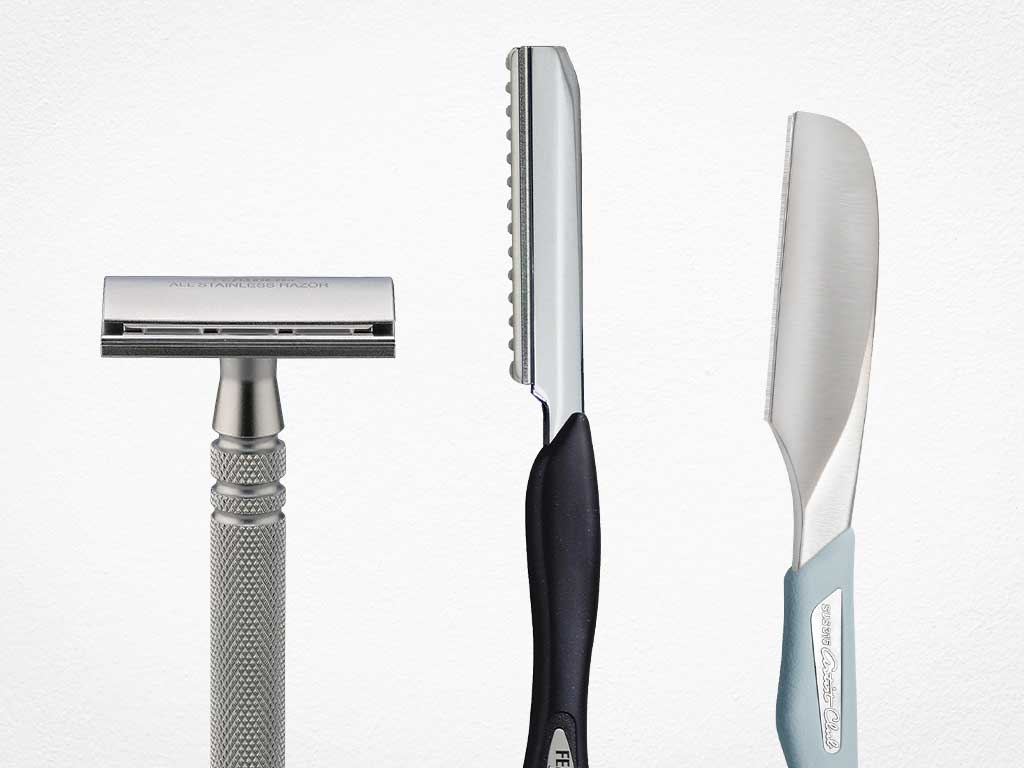
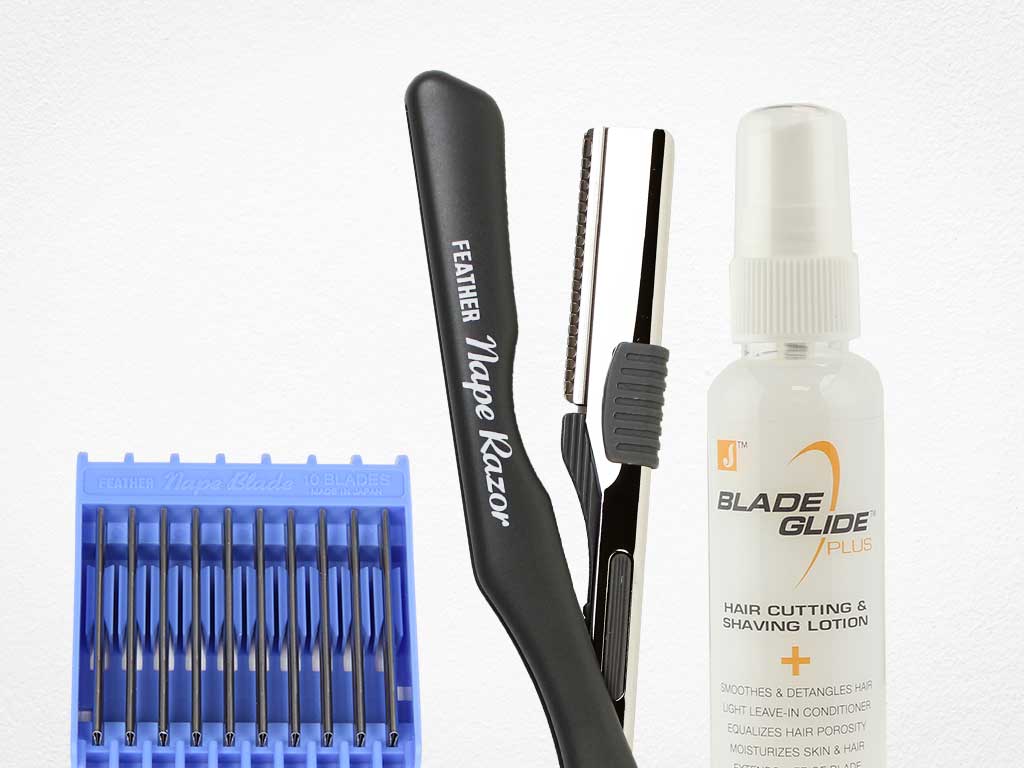
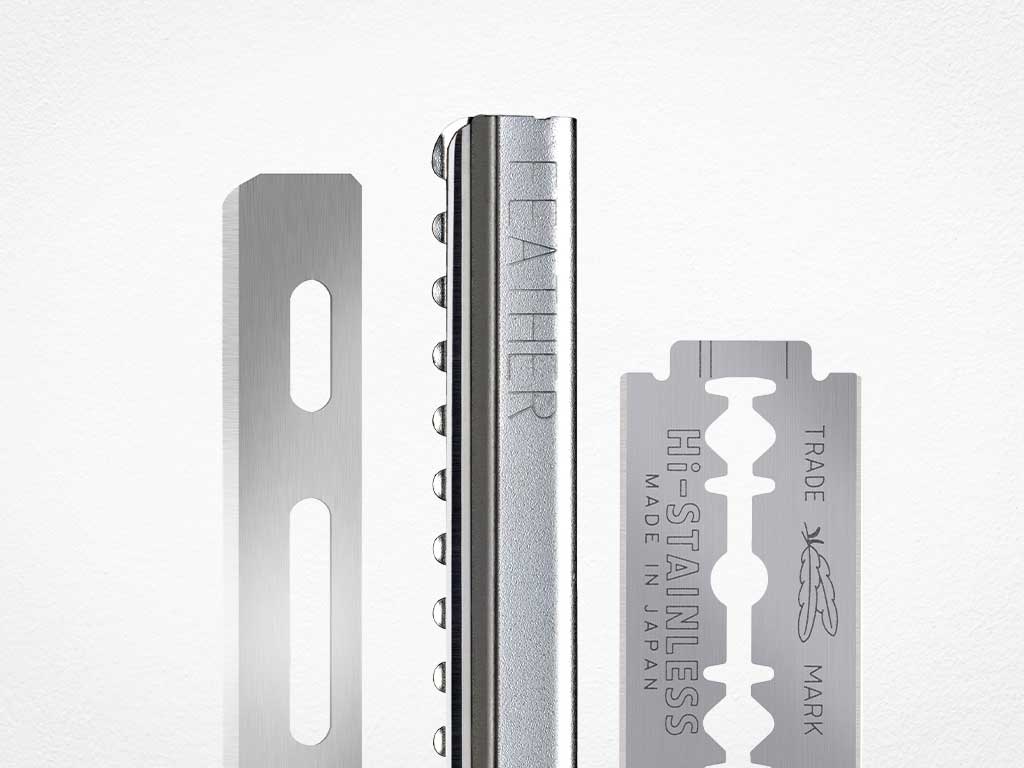
There are many shaving razors available on the market. There are cartridge razors which often have multiple blades and are used at home for both men and women for shaving legs, arm pits, face and more. Then you have the double edge razor or safety razor which gets a closer shave than a cartridge razor and it operates on a single blade. It's more eco-friendly and the blades are cheaper than cartridge blades. But it has a bit of a learning curve. And finally, you have the straight razor which gives the closest shave of the three. The straight razor uses a single blade. The handle either folds or has a straight handle. The straight razor is what's used by barbers to do shaves, lineups, sideburns and to create crisp lines. There are many brands that carry a version of these 3 types of razor handles. But then there is the Feather Nape & Body Razor. This razor is unique in that it does not easily fall in any of these three types of razors. It's most closely related to the straight razor. However, it's not meant to do full face shaves. The Feather Nape & Body Razor is a small-bodied folding shaving razor which houses a guarded blade. Its small nature allows it to be very useful for detailed work and to address small areas. This razor is called the Nape & Body Razor because it's meant to shave the nape area and small areas of the body such as sideburns, eyebrows and even bikini line. The razor only uses guarded replaceable blades so it can be used by hairstylists. Great for using on short men and women's haircuts around the neckline or stray hairs around the face, this razor does the final touches that can make or break the haircut. Everyone who has short hair loves to feel their neck after a haircut. And they love it when their neck is super soft and smooth. While the Feather Nape & Body Razor is generally used by professionals in the salon or shop, it's possible for home users to use it at home to clean up their own neck or small areas that need maintenance between haircuts. Because the blades are guarded, this makes it safe for anyone involved. Whether you're shaving yourself or someone else, the guard helps prevent unnecessary cuts and nicks. But don't get us wrong, the blades are sharp and will shave smoothly. The blades and handle are made in Japan and come as 10 blades per cartridge. To use, simply spray JATAI Blade Glide or other shaving lotion or clear shaving gel over the skin. If you don't have a clear shaving gel, be sure to wipe before you shave. Then, shave the area. Always use some sort of lubricant when shaving to avoid skin irritation. You should never shave on dry skin with any razor. Some people use the Feather Styling Razor to clean up the nape area. While this works, if you want a much closer shave, a Feather Nape & Body Razor would be a better choice. Barbers who don't want to use a traditional straight razor can also opt to use the Nape & Body Razor. The Feather Nape & Body Razor is a unique razor with a specific purpose. Its beauty lies in that it's very good at one thing...detailed shaving in small areas. If you're looking for a razor that can do these things, look no further. The Feather Nape & Body Razor can be purchased by itself or in a kit. The kit includes the handle, a pack of blades and a 2oz. bottle of JATAI Blade Glide shaving lotion.   Product, Shaving Razors
Ensuring Safety: Guidelines for Proper Chemical and Equipment Usage in Hair Salons and Barbershops

Ensuring Safety: Guidelines for Proper Chemical and Equipment Usage in Hair Salons and Barbershops

by JATAI, 13 Sep 2023
Hair salons and barbershops are vibrant spaces where skilled professionals work their magic to help clients achieve their desired hairstyles. However, the use of chemicals and various equipment in these establishments poses potential risks if not handled with care. Implementing safety measures is of utmost importance to protect both clients and staff both in the short and long term. Here are some ways to keep everyone safe when it comes to chemical and equipment use in salon or barbershop. Safety Guidelines: Adequate Training and Knowledge The first step to ensuring safety in a salon or barbershop is to provide comprehensive training to all staff members. Properly educate them on the safe handling, storage, and disposal of chemicals. Familiarize them with Material Safety Data Sheets (MSDS) that provide crucial information about the substances they work with. Staff should also be trained on the appropriate usage of equipment, including electrical devices and sharp tools.   Protective Gear and Clothing Employees should always wear appropriate personal protective equipment (PPE) to minimize the risk of exposure to harmful chemicals and potential injuries. This includes disposable gloves, aprons, goggles and/or masks if necessary when handling chemicals or operating equipment that produces airborne particles. Remember, chemicals can be absorbed through the skin and inhaled through the nose and mouth. This can be harmful with continuous exposure.   Ventilation and Air Quality Maintaining good air quality within the salon is essential to protect both clients and staff from chemical fumes. Ensure the premises have proper ventilation systems or windows that can be opened to allow fresh air circulation. Regularly clean air filters and ducts to remove dust and chemical residues that may accumulate.   Proper Chemical Usage Follow the manufacturer's instructions and guidelines for the correct usage of all chemicals. This includes hair dyes, bleaching agents, perm solutions and cleaning products. Store chemicals in their original labeled containers away from direct sunlight, heat and sources of ignition. Never mix different chemicals unless explicitly instructed to do so by the manufacturer. It's always best to try to use non-toxic products for performing various services. Luckily, there are many more healthy options these days.   Equipment Maintenance Regularly inspect and maintain all equipment used in the salon or barbershop to ensure their safe operation. This includes electrical devices such as hair dryers, curling irons, and clippers. Damaged or malfunctioning equipment should be promptly repaired or replaced to prevent accidents or injuries.   Sharps Disposal and Waste Management Proper disposal of sharp tools, such as razor blades is crucial to prevent injuries and the spread of infections. Use designated sharps containers and follow local regulations for their disposal. Adhere to waste management protocols for the proper handling and disposal of chemical containers, used towels and other salon waste.   Emergency Preparedness Develop an emergency response plan and train staff on how to handle potential accidents or incidents. Ensure that fire extinguishers, first aid kits, and emergency contact numbers are readily available and regularly maintained. Conduct regular drills to practice emergency procedures and keep them updated on safety protocols.   Client Consultations and Patch Tests Before applying any chemical treatment, conduct thorough consultations with clients to assess their hair and scalp conditions. Perform patch tests for hair dyes and other potentially allergenic substances to identify any adverse reactions before full application. Maintain records of client allergies and sensitivities for future reference.   Creating a safe environment in a hair salon or barbershop requires a commitment to following proper guidelines for chemical and equipment usage. By providing comprehensive training, using protective gear, ensuring proper ventilation, and adhering to safety protocols, salon professionals can protect both their clients and themselves. Remember, safety should always be a priority to maintain a positive and secure experience for everyone in the salon or barbershop setting. Health and Wellness

by , Liquid error (snippets/article-card line 139): comparison of String with 0 failed