Filter and sort

1 product

0 selected
$

0

$

9.95

0 selected

RELATED ARTICLES

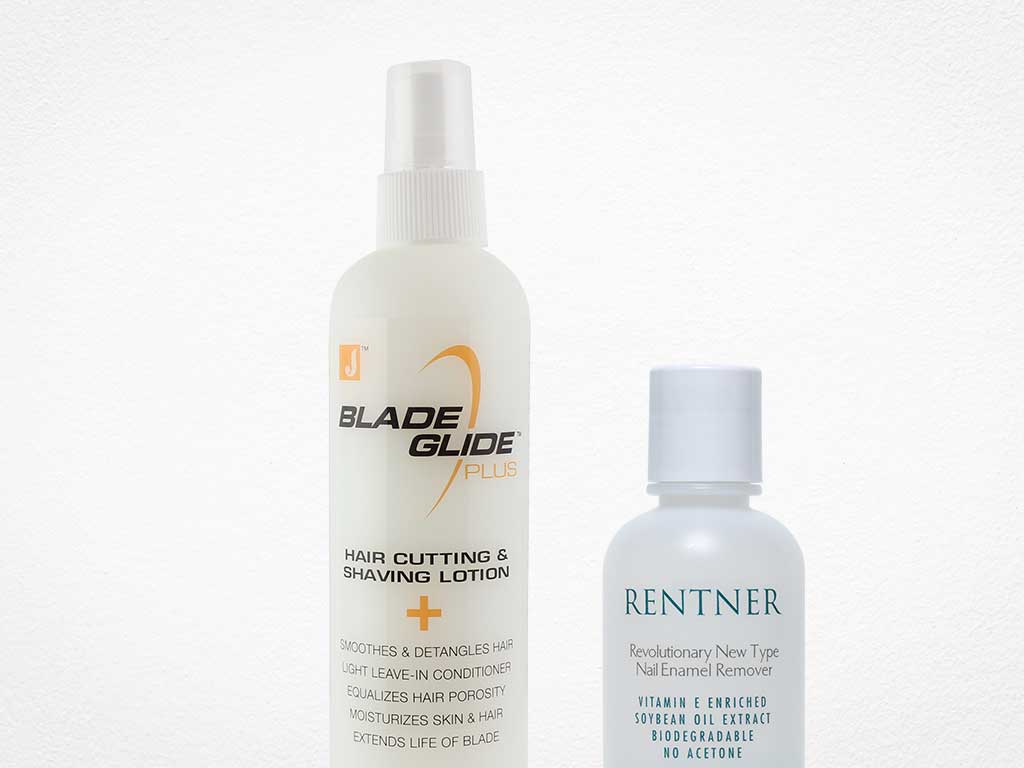
The Pros and Cons of Acetone and Non-Acetone Nail Polish Removers

The Pros and Cons of Acetone and Non-Acetone Nail Polish Removers

by JATAI, 22 Nov 2023
When it's time to remove your nail polish, you may be faced with a choice between acetone and non-acetone nail polish removers. Both options effectively remove nail polish, but they have different formulations and properties. Understanding the pros, cons, and differences between acetone and non-acetone nail polish removers can help you make an informed decision about which one is best for you. Acetone Nail Polish Remover Acetone is a strong and highly effective solvent commonly used in nail polish removers. Here are some pros and cons of using acetone nail polish remover.   Pros: Fast and Efficient: Acetone removes nail polish quickly, often requires less effort and few swipes Effective on Stubborn Polish: Acetone is particularly effective at removing dark or glittery nail polishes Suitable for Artificial Nails: Acetone can efficiently dissolve and remove acrylic or gel nails, making it a popular choice for individuals who wear artificial nails.   Cons: Drying and Harsh: Acetone has a drying effect on the nails and cuticles, which can lead to dryness, brittleness and peeling with repeated use. It can also strip the nails of their natural oils. Strong Odor: Acetone has a strong, pungent smell that some people may find unpleasant or overwhelming. Potential Skin Irritation: Acetone can cause skin dryness and irritation, especially if you have sensitive or dry skin. It is recommended to wash your hands thoroughly after using acetone nail polish remover. Respiratory Irritation: Breathing in large amounts of acetone can create respiratory symptoms such as nose, throat, eye and lung irritation. It can even cause a sore throat or cough. Toxicity: Isopropyl acetone can be toxic. When absorbed into the skin over a period of time, this can lead to organ toxicity. Long term exposure can potentially lead to kidney, liver and nerve damage. It can even lead to birth defects and male infertility.   Non-Acetone Nail Polish Remover Non-acetone nail polish removers are formulated with alternative solvents such as ethyl acetate, methyl ethyl ketone or propylene carbonate. Here are the pros and cons of using non-acetone nail polish remover.   Pros: Gentler on Nails and Cuticles: Non-acetone removers are generally milder and less drying compared to acetone removers. They are less likely to cause excessive dryness or damage to the nails and cuticles. Less Strong Odor: Non-acetone removers have a milder scent or none at all, making them a more suitable choice for individuals who are sensitive to strong smells. Suitable for Natural Nails: Non-acetone removers are safe to use on natural nails, as they are less likely to cause damage or weaken the nail structure. Less Toxic: While not nail polish remover is 100% safe, acetone-free nail polish remover is the safest option and least toxic.   Cons: Slower Removal: Non-acetone removers may require more time and effort to effectively remove nail polish, especially with dark or glittery shades. Less Effective on Artificial Nails: Non-acetone removers are not as effective at dissolving and removing acrylic or gel nails. They may require additional soaking or scraping to remove artificial nail coatings.   Conclusion Solvent Strength: Acetone is a stronger solvent than the alternatives used in non-acetone removers, making it more effective for quick and efficient polish removal. Drying Effects: Acetone has a more drying effect on the nails and cuticles compared to non-acetone removers. Smell: Acetone has a stronger odor compared to non-acetone removers, which typically have a milder scent. Compatibility with Artificial Nails: Acetone is effective at removing acrylic or gel nails, while non-acetone removers may require more effort or additional steps for artificial nail removal. Safety: Acetone nail polish remover is more toxic than non-acetone nail polish remover. If safety is an important factor, opt for acetone-free.   Both acetone and non-acetone nail polish removers have their advantages and disadvantages. Acetone removers are fast and efficient but can be drying and harsh on the nails and cuticles. Non-acetone removers are gentler and have a milder odor, making them a preferable choice for natural nails. However, they may require more time and effort for polish removal, and they are less effective on artificial nails. Consider your nail type, sensitivity, and the type of nail polish you typically wear when choosing between acetone and non-acetone nail polish removers. Product
Ensuring Safety: Guidelines for Proper Chemical and Equipment Usage in Hair Salons and Barbershops

Ensuring Safety: Guidelines for Proper Chemical and Equipment Usage in Hair Salons and Barbershops

by JATAI, 13 Sep 2023
Hair salons and barbershops are vibrant spaces where skilled professionals work their magic to help clients achieve their desired hairstyles. However, the use of chemicals and various equipment in these establishments poses potential risks if not handled with care. Implementing safety measures is of utmost importance to protect both clients and staff both in the short and long term. Here are some ways to keep everyone safe when it comes to chemical and equipment use in salon or barbershop. Safety Guidelines: Adequate Training and Knowledge The first step to ensuring safety in a salon or barbershop is to provide comprehensive training to all staff members. Properly educate them on the safe handling, storage, and disposal of chemicals. Familiarize them with Material Safety Data Sheets (MSDS) that provide crucial information about the substances they work with. Staff should also be trained on the appropriate usage of equipment, including electrical devices and sharp tools.   Protective Gear and Clothing Employees should always wear appropriate personal protective equipment (PPE) to minimize the risk of exposure to harmful chemicals and potential injuries. This includes disposable gloves, aprons, goggles and/or masks if necessary when handling chemicals or operating equipment that produces airborne particles. Remember, chemicals can be absorbed through the skin and inhaled through the nose and mouth. This can be harmful with continuous exposure.   Ventilation and Air Quality Maintaining good air quality within the salon is essential to protect both clients and staff from chemical fumes. Ensure the premises have proper ventilation systems or windows that can be opened to allow fresh air circulation. Regularly clean air filters and ducts to remove dust and chemical residues that may accumulate.   Proper Chemical Usage Follow the manufacturer's instructions and guidelines for the correct usage of all chemicals. This includes hair dyes, bleaching agents, perm solutions and cleaning products. Store chemicals in their original labeled containers away from direct sunlight, heat and sources of ignition. Never mix different chemicals unless explicitly instructed to do so by the manufacturer. It's always best to try to use non-toxic products for performing various services. Luckily, there are many more healthy options these days.   Equipment Maintenance Regularly inspect and maintain all equipment used in the salon or barbershop to ensure their safe operation. This includes electrical devices such as hair dryers, curling irons, and clippers. Damaged or malfunctioning equipment should be promptly repaired or replaced to prevent accidents or injuries.   Sharps Disposal and Waste Management Proper disposal of sharp tools, such as razor blades is crucial to prevent injuries and the spread of infections. Use designated sharps containers and follow local regulations for their disposal. Adhere to waste management protocols for the proper handling and disposal of chemical containers, used towels and other salon waste.   Emergency Preparedness Develop an emergency response plan and train staff on how to handle potential accidents or incidents. Ensure that fire extinguishers, first aid kits, and emergency contact numbers are readily available and regularly maintained. Conduct regular drills to practice emergency procedures and keep them updated on safety protocols.   Client Consultations and Patch Tests Before applying any chemical treatment, conduct thorough consultations with clients to assess their hair and scalp conditions. Perform patch tests for hair dyes and other potentially allergenic substances to identify any adverse reactions before full application. Maintain records of client allergies and sensitivities for future reference.   Creating a safe environment in a hair salon or barbershop requires a commitment to following proper guidelines for chemical and equipment usage. By providing comprehensive training, using protective gear, ensuring proper ventilation, and adhering to safety protocols, salon professionals can protect both their clients and themselves. Remember, safety should always be a priority to maintain a positive and secure experience for everyone in the salon or barbershop setting. Health and Wellness