Filter and sort

61 products

0 selected
$

0

$

675.00

0 selected
0 selected
0 selected
0 selected
0 selected
0 selected
0 selected
0 selected
0 selected
0 selected

Feather Artist Club Professional 20 Blade cartridge

Feather Artist Club Professional Blades

$14.00 From $11.20
Option Selector
Option Selector
Feather Artist Club ProGuard 15 Blade cartridge

Feather Artist Club Pro Guard Blades

$16.00 From $12.80
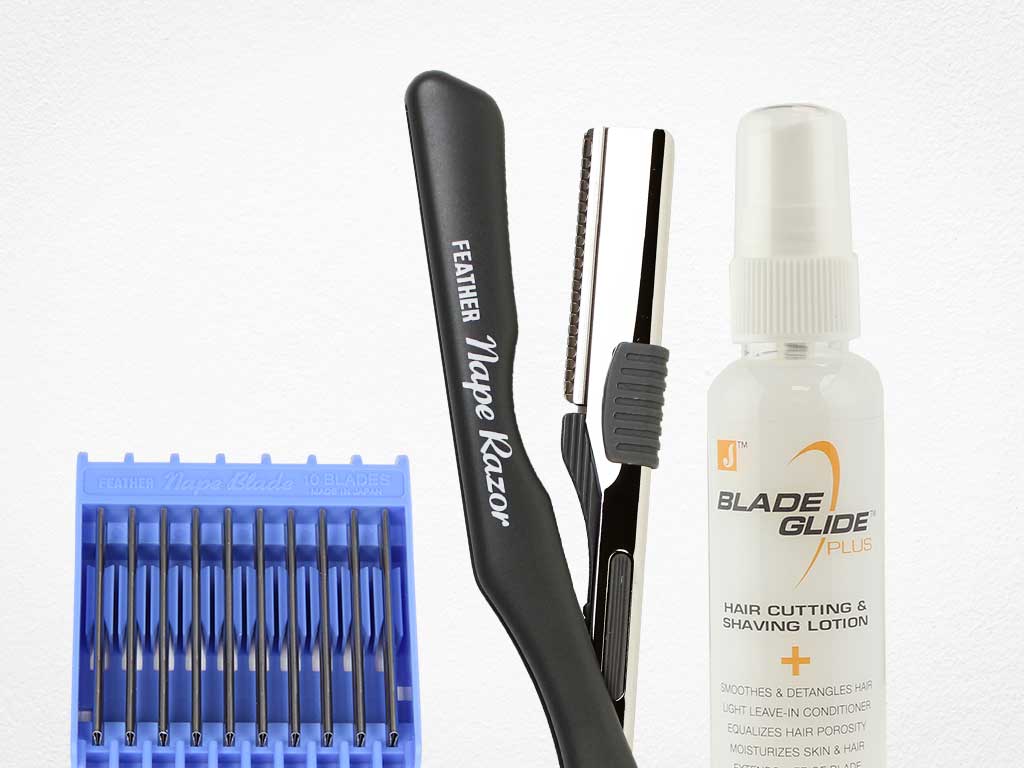
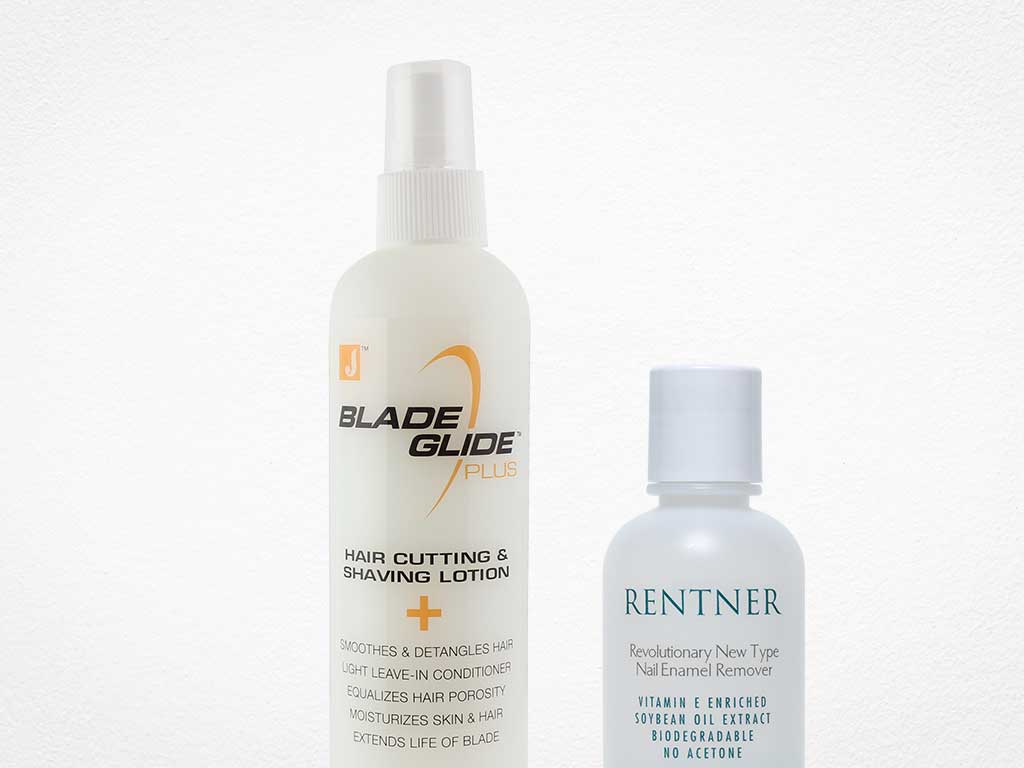
Jatai Blade Glide Plus 8oz

JATAI Blade Glide Plus 8 oz

From $10.95

Feather Nape and Body Razor Blades 10pk

Feather Nape Blades

From $12.65

Feather Artist Club Super 20 Blade cartridge

Feather Artist Club Pro Super Blades

$16.00 From $12.80
Feather Blade Disposal Case Metal - Front

Feather Blade Disposal Case

$4.95

Jatai Shaving Cream

JATAI Shaving Cream

$7.95

Option Selector
Feather Artist Club Soft Guard 15 Blade cartridge

Feather Artist Club Pro Soft Guard Blades

$16.00 From $12.80
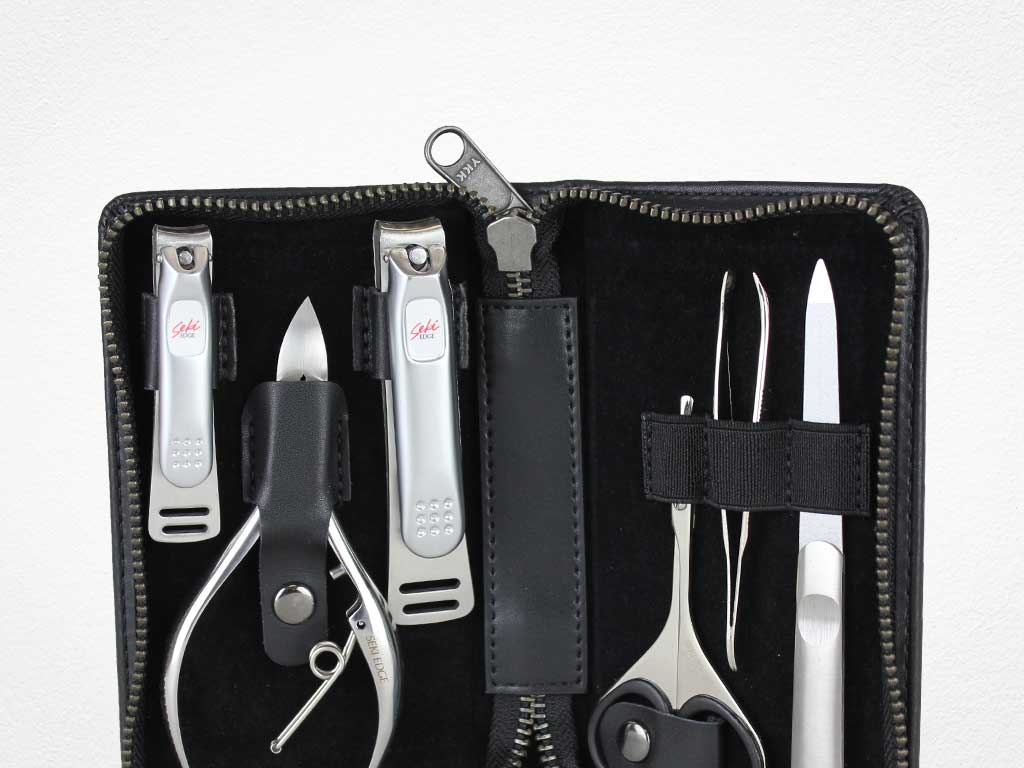
Seki Edge Grooming Kit Case

Seki Edge Grooming Kit Case

$20.00 $15.00

Showing 16/61

RELATED ARTICLES

Discover the Difference Between Feather Artist Club Razors

Discover the Difference Between Feather Artist Club Razors

by JATAI, 20 Jul 2021
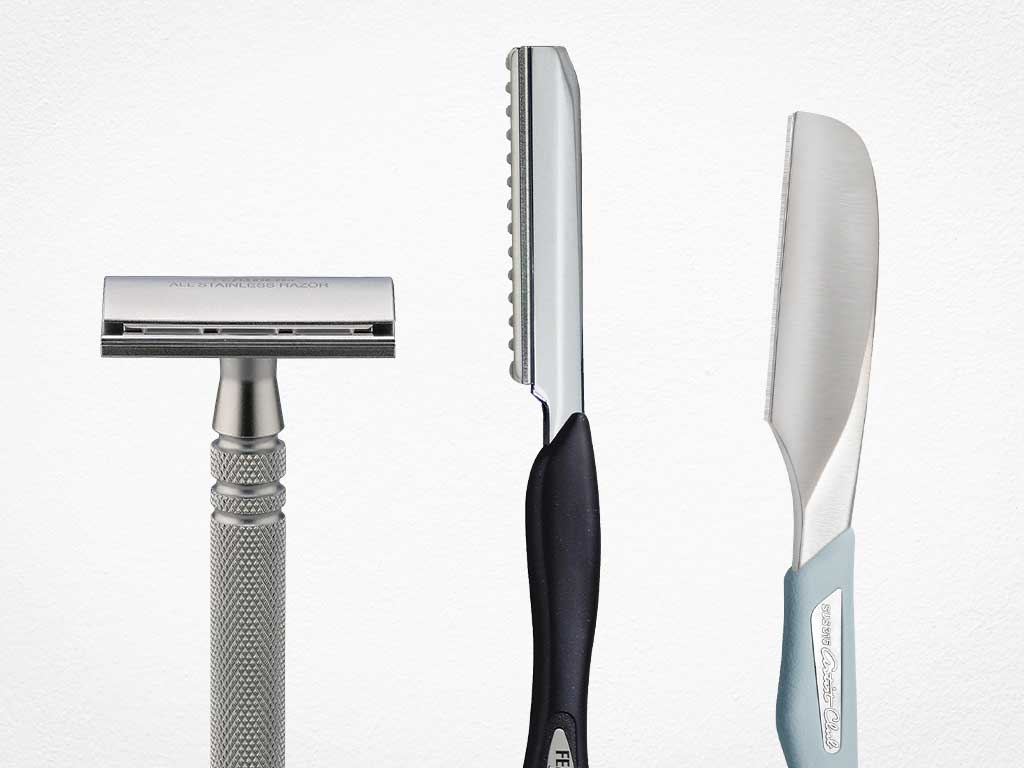
The Artist Club series from Feather are the most advanced professional shaving razors on the market, designed for the needs and tastes of professional barbers. The series include three styles: the DX Razors, SS Razors and the newest addition, SR Razors. Each Feather Artist Club Razors style is available in two types of handles - folding and Japanese (non-folding). With so many options, choosing the best Artist Club Razor for your needs can be overwhelming. Check out this breakdown of the three styles and which type of barber they are best suited for.   Feather Artist Club DX Razors Feather Artist Club Razors don't get any better than a DX. The Rolls Royce of the Feather Artist Club razors, DX razor handles have the heaviest weight so the razor does the work. The polished concave head is made of SUS316 stainless steel and provides the ultimate shaving experience.  The DX tip is flat, making it the most aggressive head. However, the weight of the handle allows the razor to do the work, reducing the need to add pressure to the skin. The DX razor is best for experienced barber professionals who shave regularly in the shop or want to give a premium experience for their clients, though many non-barber shaving aficionados also like the DX models. Feather Artist Club DX Wood Folding Razor: Beautiful sustainable real dried wood and cured handle. Resin coated to protect the finish from fading or rubbing off. Retails for $280.00. Feather Artist Club DX Pearl Folding Razor: Gorgeous Japanese pearl white folding handle. Retails for $210.00. Feather Artist Club DX Japanese Straight Razor: Exquisite Japanese soft grip straight handle. Retails for $210.00.   Feather Artist Club SR Razors   The newest addition to the Feather Artist Club line up, the SR razors take the best of the DX razor and SS razor and puts it into one razor. SR razor handles still have a heavy weight but are slightly lighter than the DX models.  This heavier weight helps the razor do the work and reduces pressure against the skin, enabling smooth shaving and complete control. The sandblasted concave head is rounder and thicker than the head of the DX razor making it ideal for cutting thick, heavy hair. This roundness helps to push against the skin for a milder shave at the most optimal angle.  The Feather Artist Club SR razor is best for barber professionals who shave regularly in the shop and want to give a premium experience for their clients. Feather Artist Club SR Folding Razor: Super engineered resin handle comes in black, blue and pink. Retails for $165.00. Feather Artist Club SR Straight Razor: Silicone resin handle with anti-slip notches provides excellent grip to prevent slipping. Handle comes in black, blue and pink. Retails for $165.00.    Feather Artist Club SS Razors Feather Artist Club SS Razors are the most economical and popular razors offered by JATAI. Though affordable, the SS razors still maintain the high Feather quality. SS razor handles are lighter in weight and have a rounded ridge on the head that depresses the skin, raising the hair follicle to get a closer shave, reducing pressure against the skin for a milder shave. This makes the SS razor great for sensitive skin. The sandblasted rounded tip head is made of SUS317 stainless steel. Best for barber professionals who only shave occasionally in the barber shop but still want to offer a quality shaving experience for their clients. The Feather Artist Club SS Razor is also a great starter razor for new barber professionals or for home use. Feather Artist Club SS Scotch Wood Folding Razor: Sustainable scotch wood handle is made of real wood dried and cured for lasting use. Retails for $160. Feather Artist Club SS Folding Razor: Super engineered resin handle comes in black, line and wine. Retails for $99.95. Feather Artist Club SS Straight Razor: Beautiful Japanese soft grip silicone resin handle comes in black, lime and wine. Retails for $99.95. All Feather Artist Club Razors feature a spring mounted head with a one-touch mechanism for dismantling and cleaning, and are autoclave and disinfectant safe. The ultimate replaceable blade shaving razors, all Feather Artist Club razors use any of the five different blades available - Professional, Pro Guard, Super, Light and Soft Guard. For more information, see a side-by-side comparison of all Artist Club Razors and Blades.   Product, Artist Club Razors
The Difference Between Feather Artist Club Blades

The Difference Between Feather Artist Club Blades

by JATAI, 15 Mar 2023
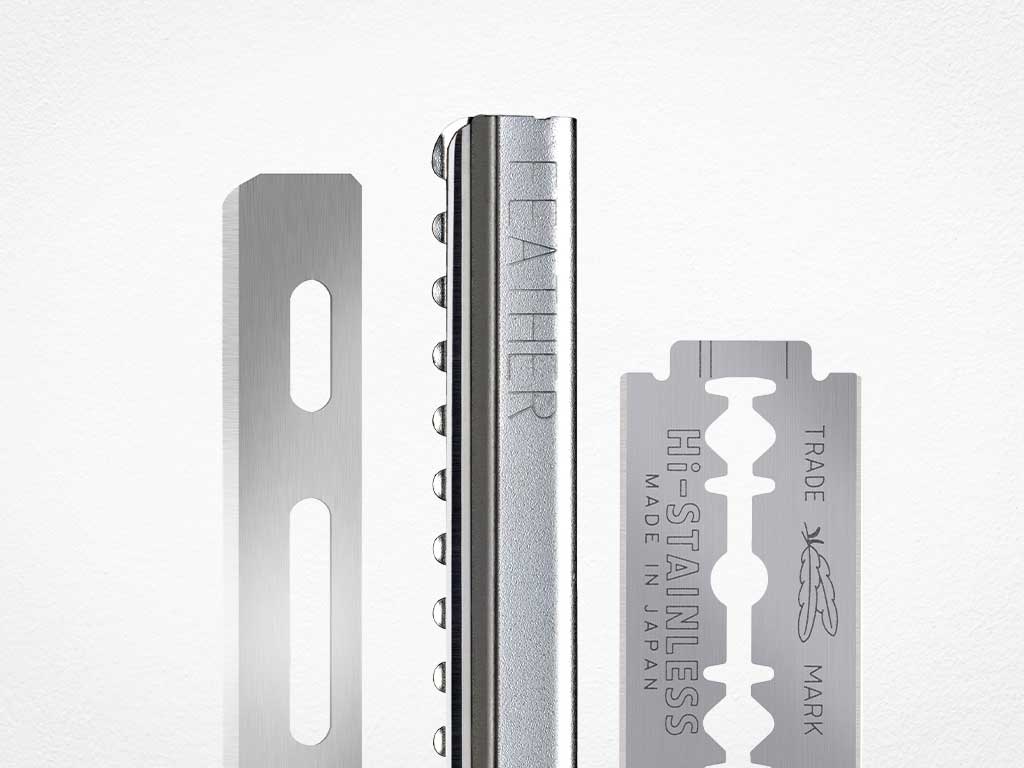
  You've finally taken the step to get yourself a Feather Artist Club Razor handle. Congratulations! But just when you thought your decision making was over you realize you have to choose a blade.  Yes, there are five different ones. But don't worry, we're going to break it down into an easy-to-understand way so you can make the best decision. By the end of this article, you will be able to more easily decide which blade or blades are right for you! There are five different Feather Artist Club Blades: Professional, Super, ProGuard, Light and SoftGuard. Each blade type has a slightly different profile which cater to different hair densities, hair thicknesses and safety levels. But before we get started, one note of caution. Please do not use double edge blades or any other type of blade in the handles. First off, the Artist Club Blades were made specifically for the Artist Club handles so they work perfectly in sync with each other. You have a beautiful, high-quality tool, so why cheapen it with a lower quality blade? Plus, it just looks bad when you see an improperly fitted blade in the handle. Secondly, Artist Club Blades span the full length of the razor head. When you use shorter blades in the handle, you increase the risk of cutting yourself or the client. Due to the corners being sharp, if you're not careful, this can scrape or nick the skin. And let's not forget the difference in blade exposure. The more exposed the blade is, the more difficult and awkward it will be to shave with it. Thirdly, Artist Club Blades will last a long time. Each blade can go through a full-face shave without changing the blade. Other blades tend to wear out quickly and having to do a blade change in the middle of a service is not ideal. Furthermore, neither Feather nor JATAI is responsible for any misuse of the product and using it in a manner that it was not meant to be used.   The Different Artist Club Blades Now that we've got that out of the way, let's go through each Artist Club Blade...   Professional Blades If you're looking for the most versatile blade that's generally good for all types of shaving, the Professional Blades are it. They can be used for full face shaving, necklines, outlining, lineups and more. This blade is best for someone who is experienced in shaving and does general basic shaves for themselves or their clients. It has a blade exposure of 8mm. For 20 blades in each cartridge, it's $14. That's $0.70/blade. These are the cheapest of all the blades.     ProGuard Blades ProGuard Blades are the same as the Professional Blades except they have a built-in guard for safety. This guard is tiny and visible if you look very closely at each blade. It doesn't interfere in the shave, but it will be less aggressive on the skin and help prevent nicks and cuts. This type of blade is great for someone who wants extra safety for themselves or their clients or barber students who are learning how to straight razor shave. This blade is a bit more expensive because of the added safety feature. For 15 blades at $16, this comes out to $1.07/blade.   Super Blades For those barbers and home users who deal with thick heavy facial hair, the Super Blade is the best choice. With the greatest blade exposure (8.2mm) this blade packs in some extra special shaving sauce that the other blades can't handle. You can use this blade on thick full heavy beards and mustaches without needing to trim them down first. It's amazing! Shaving with a Super Blade is...well...super. One Super Blade cartridge contains 20 blades and costs $16. This comes out to at $0.80/blade.       Light Blades On the opposite spectrum is the Light Blades. These blades have less blade exposure than the Professional Blades (7.4mm). Because of this, these blades are nice for shaving sensitive skin and reducing irritation. It's also good for women's shaving who often have light, thin hair such as peach fuzz. One cartridge comes with 20 blades and costs $16. This comes out to $0.80/blade.   SoftGuard Blades Like the Light Blades, SoftGuard Blades have low blade exposure. But they have an extra layer of safety with a built-in guard. These blades are good for using on sensitive skin, reducing irritation and women's shaving like the Light Blades. But with the built-in guard it's good for someone who wants the extra safety. It's $16 for 15 blades which is $1.07/blade. Now that you understand the differences, let's take a look at what's the same.   About Feather Artist Club Blades All Feather Artist Club Blades are made by Feather in Japan and fit all Feather Artist Club Razor handles. They all come in a cartridge that features a no-touch system for safety and sanitation that allows you to insert blades without touching them. On all the cartridges is a hole at the bottom which is for inserting used blades and for safe disposal. All blades are made of stainless steel and are put through a triple grinding process that allows for superior sharpness, quality and consistency. All blades also have a subscription option. If you're someone who shaves regularly, it may be of benefit to sign up for the subscription program to save up to 35% on blades. You can set the frequency and quantity to meet your preferences. See subscription options on each blade product page. A last note, you might want a couple different blades for different situations. The choice is yours! Once you've decided on the blade you want, the only thing left is your shaving technique, skin quality and wet good product choice (face wash, shaving cream, moisturizer). If you're still unsure, you can visit this page for more detailed information on the Artist Club handles and blades in a more visual format.   Product, Artist Club Razors
Introducing the JATAI Scissors in Partnership with BMAC

Introducing the JATAI Scissors in Partnership with BMAC

by JATAI, 29 Jun 2021
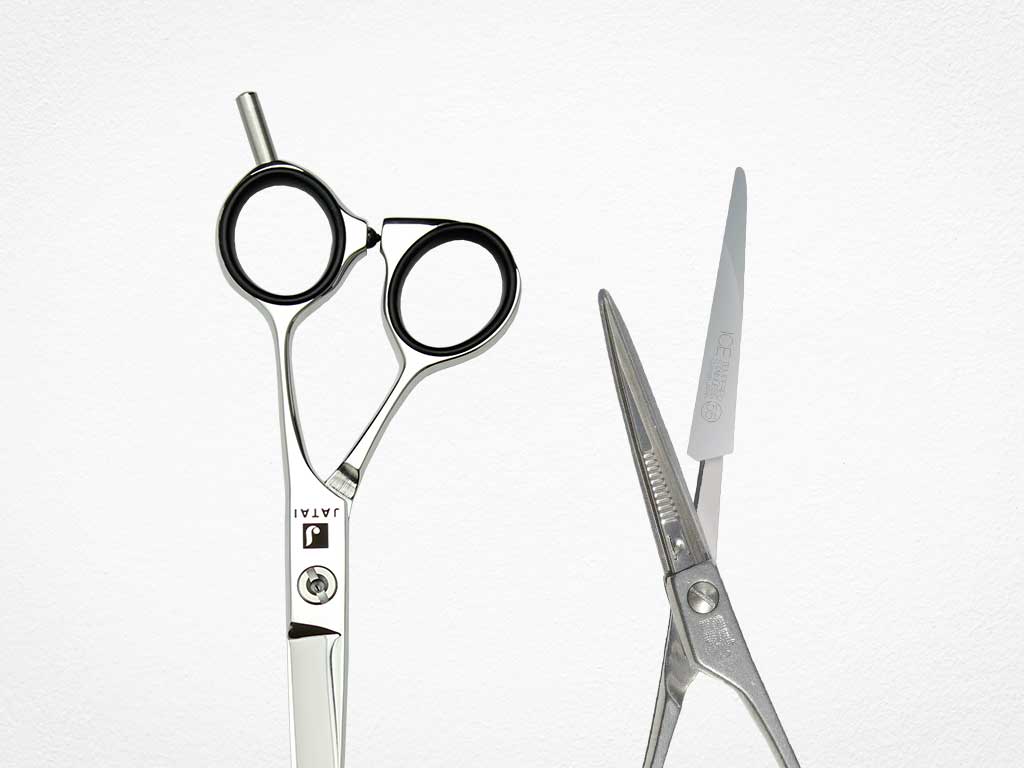
With every product it offers, JATAI honors the craft of hairstyling - the creativity, skill and artistry that goes into each and every cut. JATAI understands the tools stylists use, particularly scissors, are essential to not just their success, but their creativity. When it comes to tools, quality counts. That's why JATAI has partnered with leading scissors manufacturer BMAC to launch a new line of scissors exclusive to the brand: JATAI Scissors by BMAC. The JATAI Scissors by BMAC line includes four unique styles in select sizes: the JATAI Tokyo Scissors, JATAI Tokyo Thinning Scissors, JATAI Osaka Scissors and JATAI Kyoto Scissors. Handcrafted in Japan with the strictest attention to detail, the six scissors in the collection are forged from VG-10 grade stainless steel - the highest carbon grade steel available - to provide the sharpest and longest lasting edge possible for a traditionally made scissor.   THE DIFFERENT JATAI SCISSORS BY BMAC As a tribute to the origin of the scissors (and to the founders of JATAI), the scissors are each named after cities in Japan renowned for their artistic, cultural and spiritual significance:   Tokyo Scissors Tokyo is regarded as the most popular city in Japan. A cultural hub attracting visitors from all over the world, the bustling city has everything needed all in one place to get a flavor for the country. The JATAI Tokyo Scissors encompass Tokyo's well-regarded popularity and versatility. Ideal for new stylists and barbers just starting out and building their tool assortment. The most popular and affordable high-performance scissor by BMAC, the JATAI Tokyo Scissors features a top-grade metal offset handle with a single, detachable finger rest and convex blade. The custom streamlined flat contact point creates unobstructed, smooth and balanced pivot action. Available in 5.5" ($360.00) and 6.0" ($380.00).   Texturize, remove weight, volumize, layer, shape and add movement with one tool. Measuring 6", the JATAI Tokyo Thinning Scissors give a 30% cut with 29 teeth to texturize hair. Each tooth has three teeth for added softness, making it easier to create texture and layers. Featuring a top-grade metal straight handle with two detachable finger rests and convex blade, plus a flat contact point for smooth and balanced pivot action. ($375.00) Osaka Scissors While not as popular as Tokyo, Osaka is the second largest city in Japan and has strong traditional values and rich culture, but a slightly more relaxed and care-free vibe than found in other parts of the country. The strong traditional values can be best observed in the attention to detail in Osaka cuisine which is rich and nuanced.  Like the food, JATAI Osaka Scissors exemplify the traditional scissor look with a rich feel and subtle nuances that make handling it comfortable and easy to use. Featuring a slightly offset anatomically designed handle with molded tang and convex blade for a natural fit in the hand. Professional-use pivot action means unobstructed, smooth and balanced cutting and handling. Available in 5.5" ($475.00) and 6.5" ($575.00).   Kyoto Scissors Visitors to Kyoto are mesmerized by its spirituality, delicate and refined nature, and cultural charm. To experience Kyoto is to experience true artistic expression. Refined and experienced artists will immediately notice and appreciate how the JATAI Kyoto Scissors enhance their skills and creativity. This design features the utmost attention to detail, the perfect balance, the smoothest movement. The slightly offset, anatomically designed handle and single detachable finger rest create a natural fit for the hand. ($675.00) The JATAI Scissors by BMAC are protected with a one-year warranty for materials and workmanship. To maintain the warranty, the JATAI Scissors must be serviced by our authorized sharpener, Infinity Scissors in Gardena, California. Using another sharpener will void the warranty. For more information on sharpening services, please visit InfinityScissors.com.   Product, Scissors
Short Faded Mohawk Haircut Tutorial

Short Faded Mohawk Haircut Tutorial

by JATAI, 24 Apr 2025
The short faded mohawk hairstyle is a popular men's cut. There are many versions of this style. You can have shaved sides for more of a skin fade or a more tapered look. You can create a mohawk burst fade for a more distinct look. You can make a high fade or low fade mohawk as well. As you can see, the variations are limitless! Mohawk fade haircuts are more edgy because there are greater differences in the length of the hair. Mohawk taper haircuts are more conservation because the sides are a bit longer and not as close to the skin. The hair length on the sides vs. the top can make it more conservative or more edgy. Watch this short faded mohawk haircut tutorial and follow along with the transcript below.   Short Faded Mohawk Haircut Tutorial:   Welcome to Jatai Academy. I'm Russell Mayes, Director of Content. Today we're going to be doing an in-depth study on one of my faves: the mohawk taper. Now, the mohawk taper can be very, very subtle and conservative, or it can be very edgy and very extreme depending on the amount of texture, the length and where you're going to place it. We're going to show you how to taper it properly, how to fit it to the head, and how to get the right amount of texture in your haircut. So let's get started. All right, so to get started I want to cut my short part first. So I'm going to take from the center of the recession back to the quarter part, and I'm going to curve that around until I get down to the nape. Now, I'm not going to go all the way to the tendon. I'm going to go a little bit further in to exaggerate the fact that my mohawk is going to be separated all the way from the sides into the back.   Tapering the Sides with Scissor Over Comb So I'm going to start with my Jatai Tokyo Scissors. This is a 6-inch scissor, and I like using a longer blade when I'm doing scissor over comb because I feel like it allows me to work with a much bigger section. And I want something that has a nice point to it so I can go through and feel like I can get a lot more detailing than if I had a really small, really rounded-tip scissor. We're going to start here on the side. I just want to go through and remove some hair, starting to taper from really short up to a little bit longer as I go up. So I'm going to go through and just, real crudely go through and cut shorter and get longer as I go toward the top of my sections. And I'm not worried about really fine-tuning everything in. I just want to get a crude shape going from short at the hairline to a little longer towards the parting. Now once I get most of that hair out of the way, I want to start fine-tuning this shape. Now to fine-tune it, we're going to put the comb in, and then I'll make a cut. I'll move the comb up a little bit more, make another cut. Up a little bit more, make another cut. So it's like - bam, bam, bam. Guess what happens next? Bam. Yes. Bam. And I just continue that as I work all the way from the bottom up to the top. The more times that I hit this section, the closer that my scissor strokes are, the smoother that my scissor over comb is going to be. So just start low - low expectation as you go up to the top and continue to fine-tune that as I get to the top of the section. And this is just to get rid of some hair and start my tapered shape in. I don't want it really long here at the top. I want to keep that closer to the head. Alright, so now that I've got all of my scissor over comb down and got my basic taper in on both sides - I got it a little longer at the top, tapered in over the ears, basically graduated - I'm going to go through and take my clippers.   Creating the Fade on the Sides The clippers, I'm going to use an attachment. I'm going to start with a 1, and I'm going to close everything down. So you can adjust open or closed. Open just means that the cutting blade is a little bit further away from the teeth, so it gives me a little softer cut and is going to be a little bit longer. Closed is going to be up closer to the cut of the teeth, so it's going to cut a little bit cleaner and be a little bit shorter. So I'll just lay it against the head, go up against the head. Once I get to where the head starts to curve, then I'll bring the clipper away from the head. So it's this sort of rocking motion to get it close over the ear, and then as I come up, I move the clipper away from the head so that it allows it to get longer. Here in the back, I'll start low, work around the ear. Since the ear doesn't really move, it's a little bit more difficult. Basically, work that angle in a little bit tighter over the ears. Now once I've got this line here done and I got everything kind of clean like I want - it's as close as I can get - then I'll open up the blade a little bit. That gives me a little bit more softness so it's easier for me to blend this a little bit higher. And now I'm just going to use the straight blade, and I have to finesse this a little shorter over the ear and do the same sort of C-shaping method that I was using to get a soft blend. Open it up real tight. Skin just over the ear. Angle this part of the blade away from the head; the bottom part of the blade is all the way touching the head. And once I get this area here real short, I'll start to open the blade and then softly blend that line out through there. Real gently open up a little bit more and that just allows me to taper that in and fine-tune that line out from the head. After I get this done on one side, I'll go through and do the same thing on the other side.   Follow us on your favorite social media: @jataifeather   Blending the Sides Back with my scissors, I'm going to go through and, whatever this parting was, I'm going to take a parallel section to that. I'm going to go through and pull this straight out horizontally, leaving it a little longer right here in the front. And then we're going to go through and point cut all of this length off. I don't want to go through and completely disconnect this. While this is kind of a tapered mohawk, I want this to be a little more on the conservative side. So we're not going to go through and disconnect and leave a lot of this hanging over. There's my parting line. We're going to go through and point cut everything off as we work this all the way down. It doesn't have to blend 100% with the previously cut hair, but I want it to be pretty close. As I get to the bottom, I may need a little more length right through there, which I think is a good thing. So we've got that cut off and I think that that length is looking pretty good. So now we're going to continue to walk my guide and pull everything over to this side. There's my guide from underneath, following my previously cut guide. Now I'm not pulling it down to my short section. I want to continue to pull this straight out at whatever the head shape elevation is. Last section, right at the nose. I'm continuing to point cut this, even though I'm going to go through and cut the top a little bit shorter to get my point taken out. But I want to make sure I have some texture to it. I don't want this being cut really, really bluntly and then having to go back and re-cut everything to have some texture in it. The more blunt the line is that I put into it, the harder it's going to be to start to develop some texture into it. Now that I've got my sides basically etched in – I will go fine-tune that in a minute - but I want to go through and cut the length on the top.   Cutting the Length on the Top And what I'm going to do is I'm going to take a parting. It's going to be a little further back so that I can pull this hair from the front into the top of that parting, right where the head starts to curve so that can leave a little more length here in the front. There's my parting. I'll lay my finger, I'm going to pull everything back into that, and then go through and point cut that to square it off and to cut the little point off that I went through and cut in it by pulling everything to the left side and to the right side. Take my next section - pull it back into that parting, follow the front guide, squaring everything off a little bit. Next parting - plant the finger, same thing. Now once I get to the crown, I'm gonna go through and do the same thing, but in the opposite motion. So here I'm pulling everything back to here. So what I'm gonna do now, is so I can develop and leave a little length in the nape, I'll do the same thing. Find where the occipital bone is and pull the hair up to that point. Square that off. Take my next parting, pull everything up into that. Square it off. Last section - back into the crown. I see my previous guide from the front and I'll match those two into the middle.   Adding Internal Texture So now I want to add some internal texture. I feel like the hair is too thick. So I'm going to take my Tokyo Thinning Scissors from Jatai. This is going to go through – and it's seamless but it will remove quite a bit of hair. So the more times I hit it, the more hair that I'll remove. I want to methodically go through and thin it on the first pass just to make sure I have an even amount of texture that going through the whole thing. So I'm going to start here in the bottom - hit that a few times in the middle and then work out toward the ends. So I lift it up right in the center of the section and take some of that weight out. Now I'll go through and do the other side - center of the length, and then a little on the ends to taper my texture and to taper my thinning so I can remove the weight internally and then soften the edges up. So I'll start here in the front, half way. Half way in the middle. And then as I get closer to the edges to smooth that texturizing out. Now I'll do one right down the center now. Oh come here. Now I want to go through and take a little bit of this edge off right through there and I'm going to do that with my texturizing scissors and just go through and trace that hair that's hanging over that I don't think blends very well and just soften that up.   Give us a thumbs up, click subscribe, and hit the notification bell to get notified of future Jatai Academy content.   The Final Short Faded Mohawk Haircut Look Here's our end result. I think we're looking pretty good. I think this looks, you know, cool enough without being too over the top. I think it gives it a little modernity without being so extreme and in your face. We've still got this real ultra-clean edge over the ear which - you know once you've had short hair it's hard to let it grow out. So this keeps it feeling clean but you also start to have a little more length in the back, you got a little bit more through here and the back of the head. You got some texture to it. This looks really, really good. It's really modern. And you know I'm glad my clients have been asking for this kind of haircut and demanding it and forcing me to practice at it. Check out the Jatai Academy - there's all kinds of fantastic information there that will make you a better stylist and barber. Let us know what you'd like to see in the future and thank you so much for watching. We'll see you next time.   Final Thoughts on the Short Faded Mohawk The short mohawk fade consists of short hair on the sides gradually leading to longer hair down the middle for a short mohawk. This haircut can be done on straight hair as well as curly hair. The curly mohawk gives the mohawk strip a lot of texture and fullness. Hair type can make a big difference in the overall look of this style. What you want is a lot of texture in the mohawk portion if possible. For styling, use a pomade, gel or mousse. For a stronger hold, use a pomade. For volume and body, use a mousse.