1/30/2026

Soft Tiny Bob with Micro Bangs

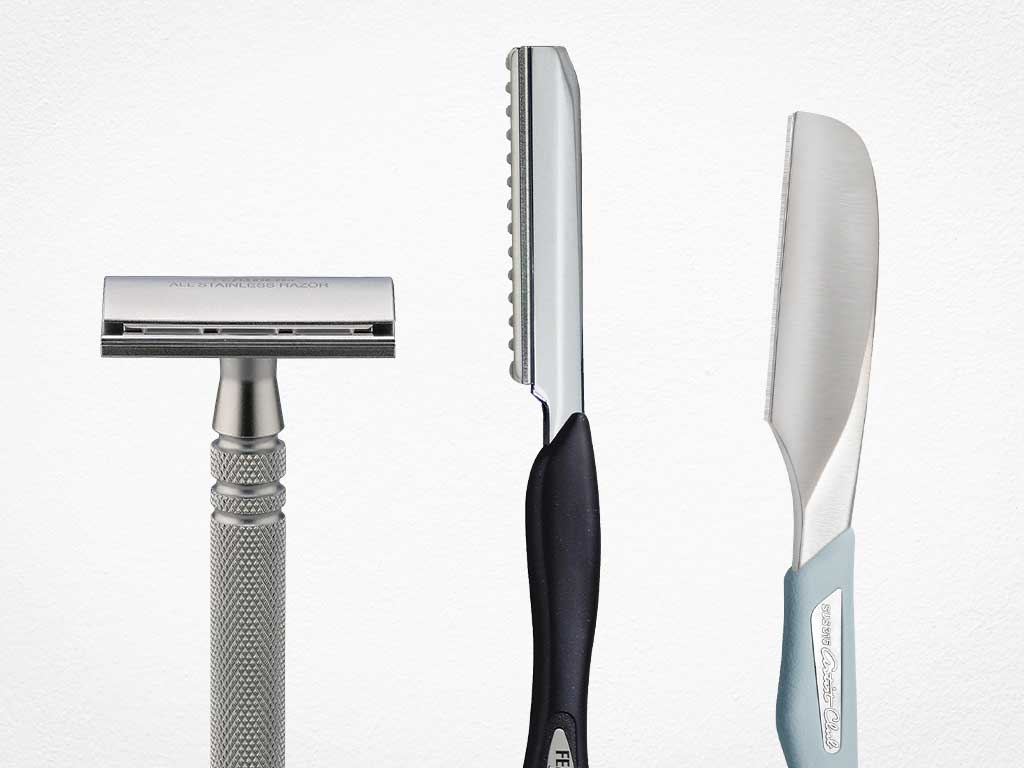
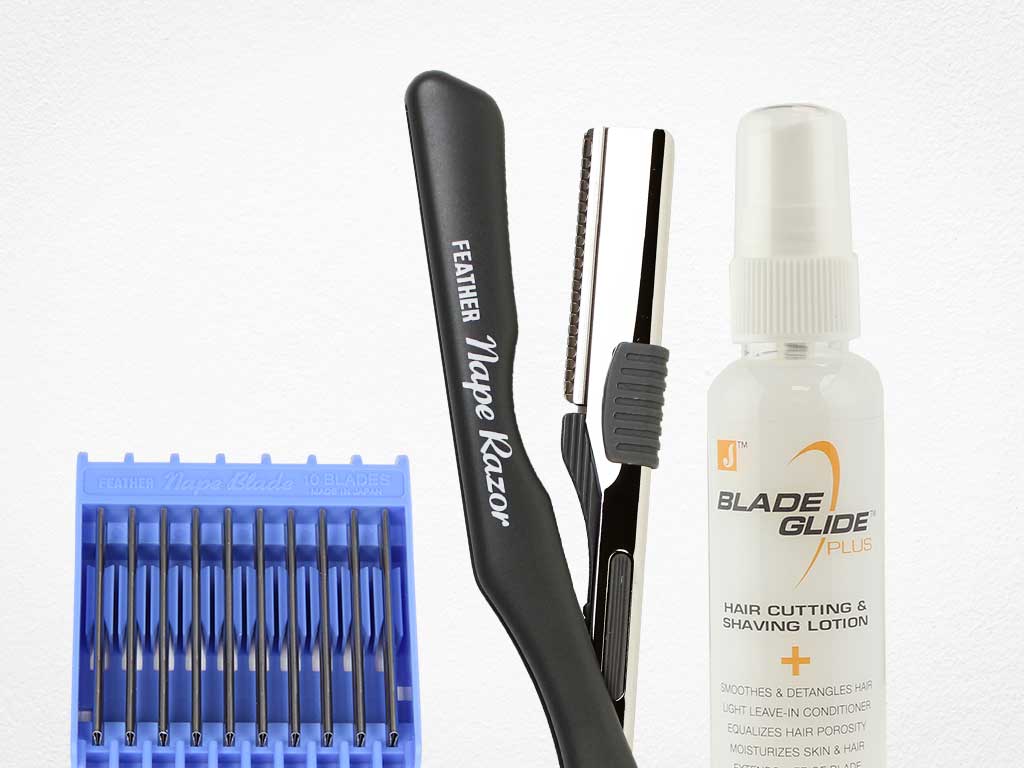
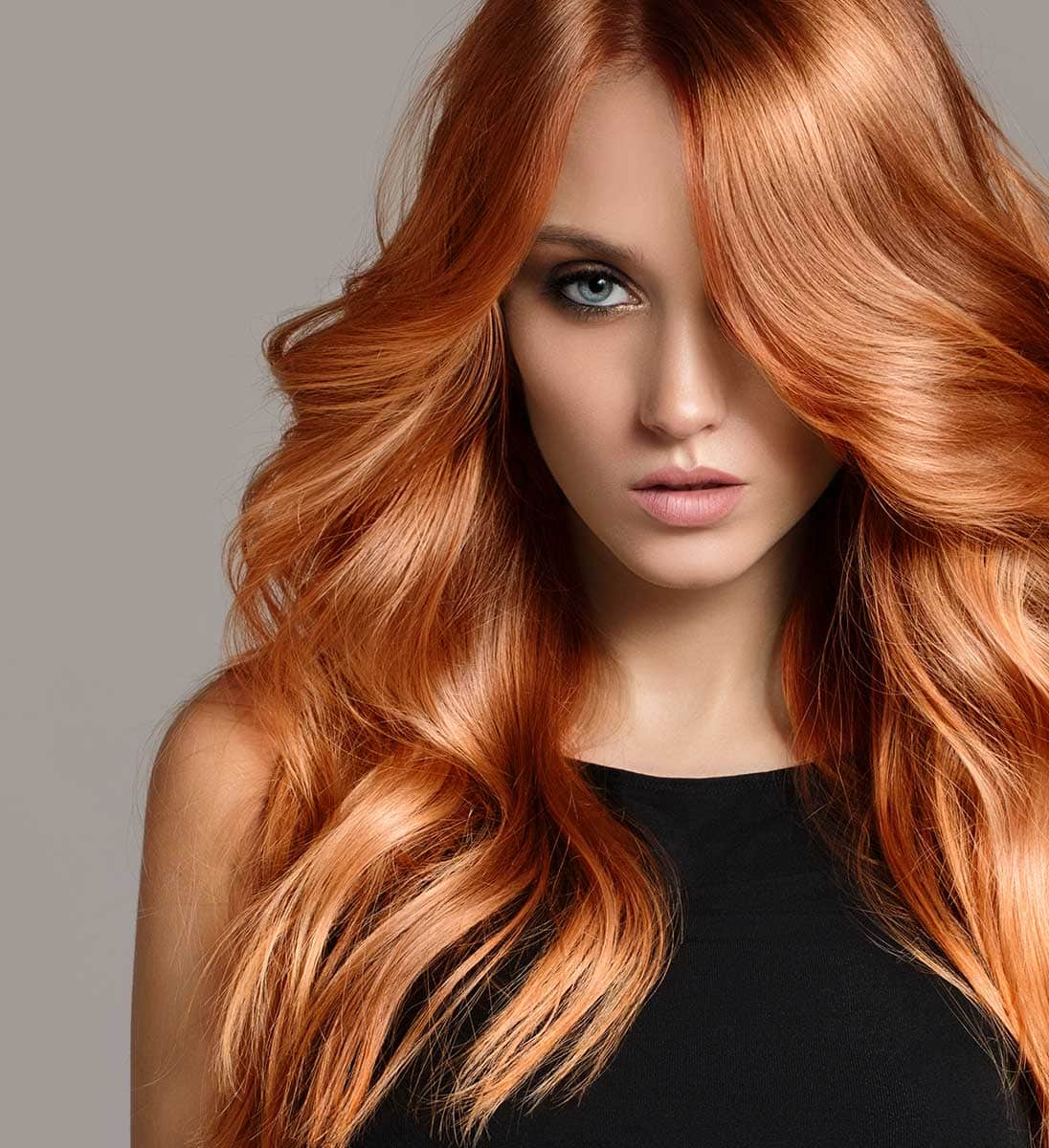
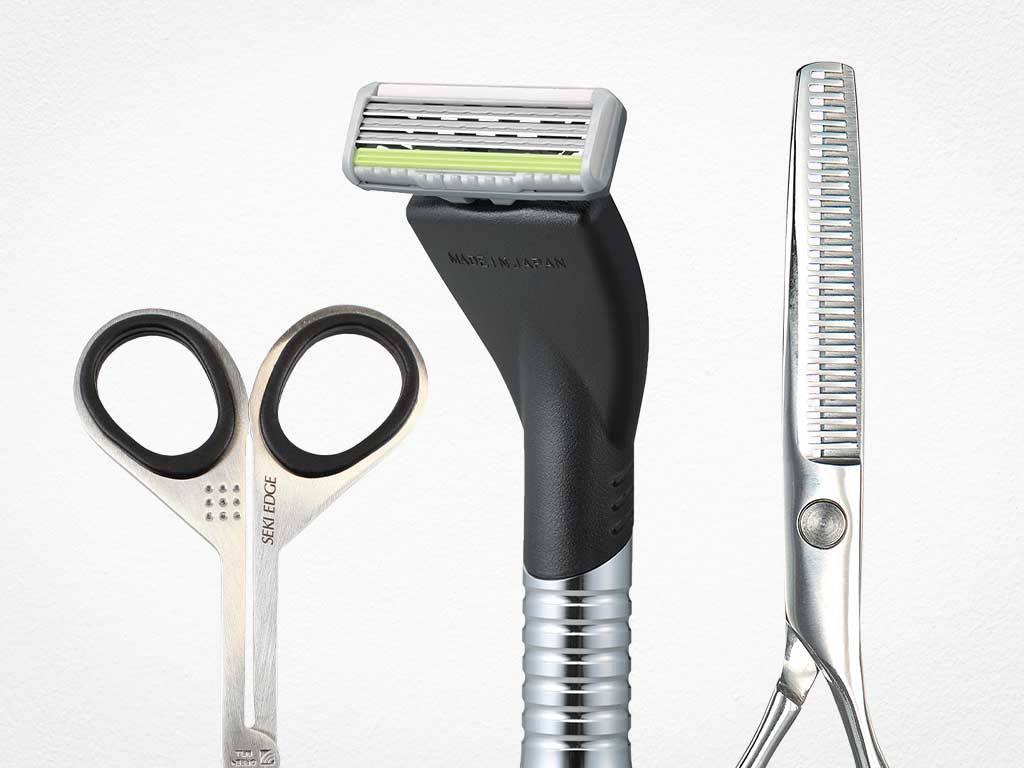
To create this soft tiny bob with micro bangs, I used my Feather Plier Razor and focused on varying the stroke and weight removal to create subtle graduation and movement on fine hair.

The haircut sectioning was based on the Sassoon inside out cut, so diagonal back sections starting in the front using halfway between the ear and the jaw as a guide. The baseline in front was cut with smaller strokes.

In the back hairline, if it was under the weight line, I used more of the flat and a broader softer stoke with very little pressure so that the graduation stayed super soft. Once I was satisfied there was enough of a weight line to read as a bob, I cut the sections above it using inversions, so working from internal weight to length, breaking the section into v’s with a little bit more elevation.

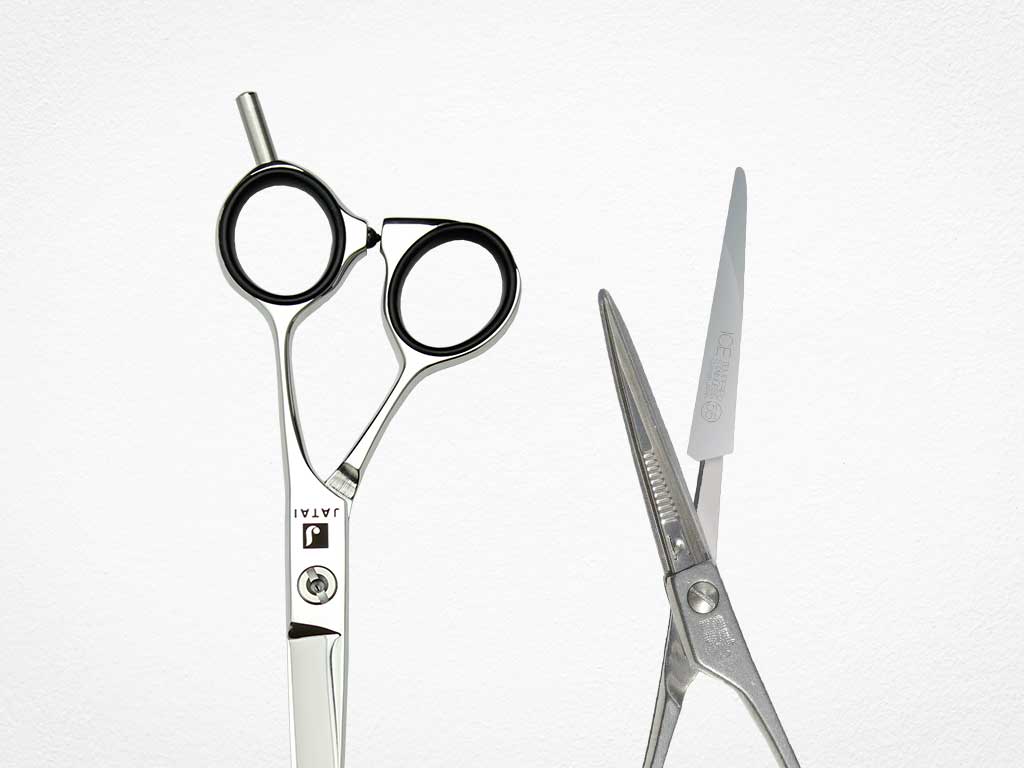
I did a little bit of weight removal in the crown with an upward stroke at the end. The bangs were layered with the Plier Razor and an upward stroke before cutting the length with scissors, intentionally disconnected from the rest of the cut.

When razor cutting fine hair I tend to prefer larger sections if I’m going for movement and cutting on hair that’s damp instead of wet. This allows me to see how it reacts as I’m cutting. If the sections are too fine/small on finer hair, I find that the texture can get too wispy and the movement can get lost.

For the most part I’m always holding the hair with tight tension but varying the pressure of the blade depending if I want something softer or chunkier/more serrated. The amount of pressure can change how many strokes it takes to get through a section - the more strokes the softer, less strokes more zig zag chunky. 

If creating this cut on someone with thicker or straighter hair, I recommend doing more weight removal and starting it higher up closer to the head. This will allow the hair to collapse more internally while maintaining a chunkier line.

To create this soft tiny bob with micro bangs, I used my Feather Plier Razor and focused on varying the stroke and weight removal to create subtle graduation and movement on fine hair.

The haircut sectioning was based on the Sassoon inside out cut, so diagonal back sections starting in the front using halfway between the ear and the jaw as a guide. The baseline in front was cut with smaller strokes.

In the back hairline, if it was under the weight line, I used more of the flat and a broader softer stoke with very little pressure so that the graduation stayed super soft. Once I was satisfied there was enough of a weight line to read as a bob, I cut the sections above it using inversions, so working from internal weight to length, breaking the section into v’s with a little bit more elevation.

I did a little bit of weight removal in the crown with an upward stroke at the end. The bangs were layered with the Plier Razor and an upward stroke before cutting the length with scissors, intentionally disconnected from the rest of the cut.

When razor cutting fine hair I tend to prefer larger sections if I’m going for movement and cutting on hair that’s damp instead of wet. This allows me to see how it reacts as I’m cutting. If the sections are too fine/small on finer hair, I find that the texture can get too wispy and the movement can get lost.

For the most part I’m always holding the hair with tight tension but varying the pressure of the blade depending if I want something softer or chunkier/more serrated. The amount of pressure can change how many strokes it takes to get through a section - the more strokes the softer, less strokes more zig zag chunky. 

If creating this cut on someone with thicker or straighter hair, I recommend doing more weight removal and starting it higher up closer to the head. This will allow the hair to collapse more internally while maintaining a chunkier line.

Jace Wergin

Jace Wergin

Strange Bird Salon

Austin, TX