
Razored French Bob without Bangs and Flipped Out Ends Tutorial
by JATAI Academy,
22 Apr 2026
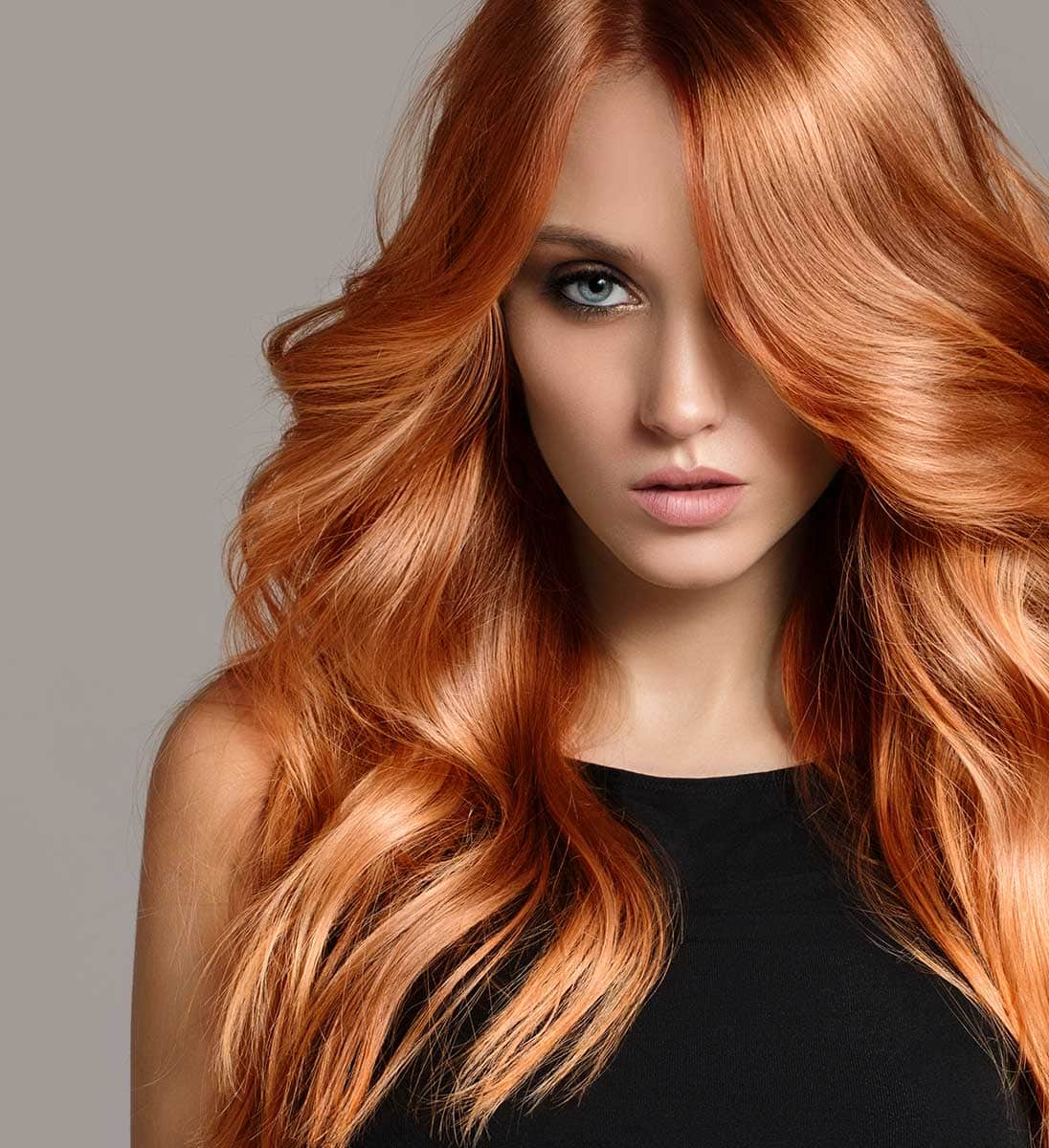
In this French Bob without bangs chic haircut, Russell takes a classic French bob haircut adds a modern element of flipped ends at chin length. This is a style that works best on straight hair (not curly). You will love the final result!
Watch the video tutorial below or read along below with the transcript and learn now to create a French bob without bangs straight hair.
French Bob without Bangs and Flipped Ends Tutorial:
Welcome back to Jatai Academy. I'm Russell Mayes, Director of Content. Most bobs you see are kind of cupped under and curved and smooth. We're going to try to do something today that flicks out, gives it some pizzazz and some cool little anime texture to it. So, let's get started.
The Graduation with Vertical Sections

So, we're going to start with a center part in the back of the head. Separate the left from the right. Then we're going to go a little above the occipital bone right to the mastoid behind the ear.
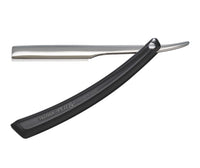
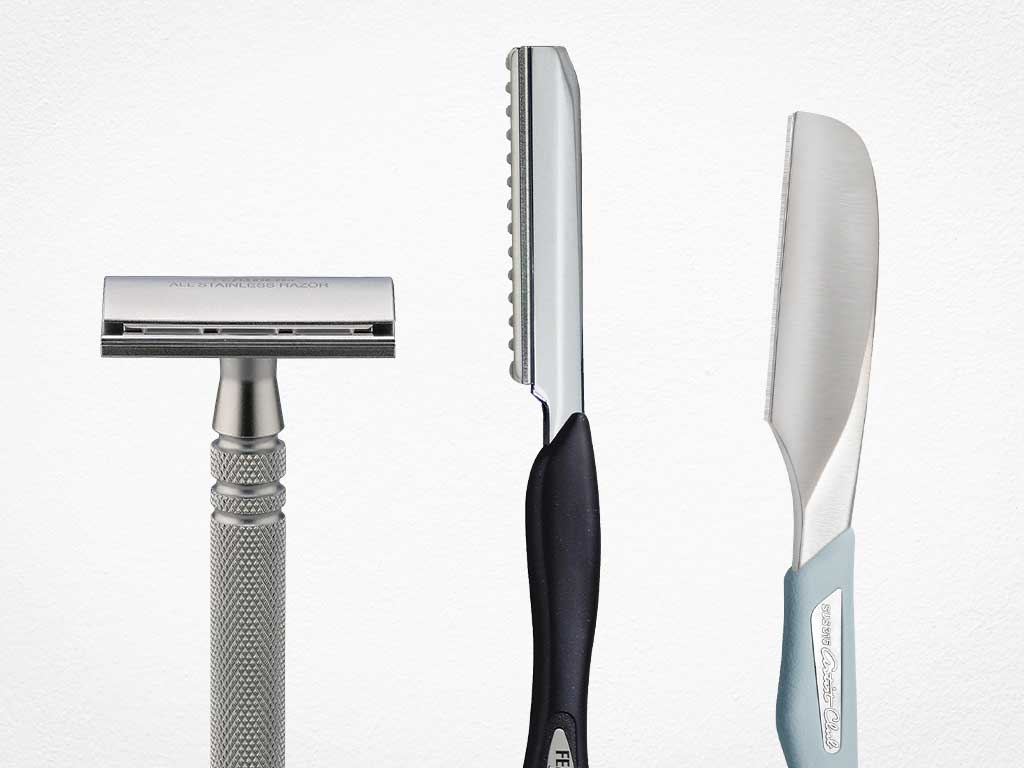
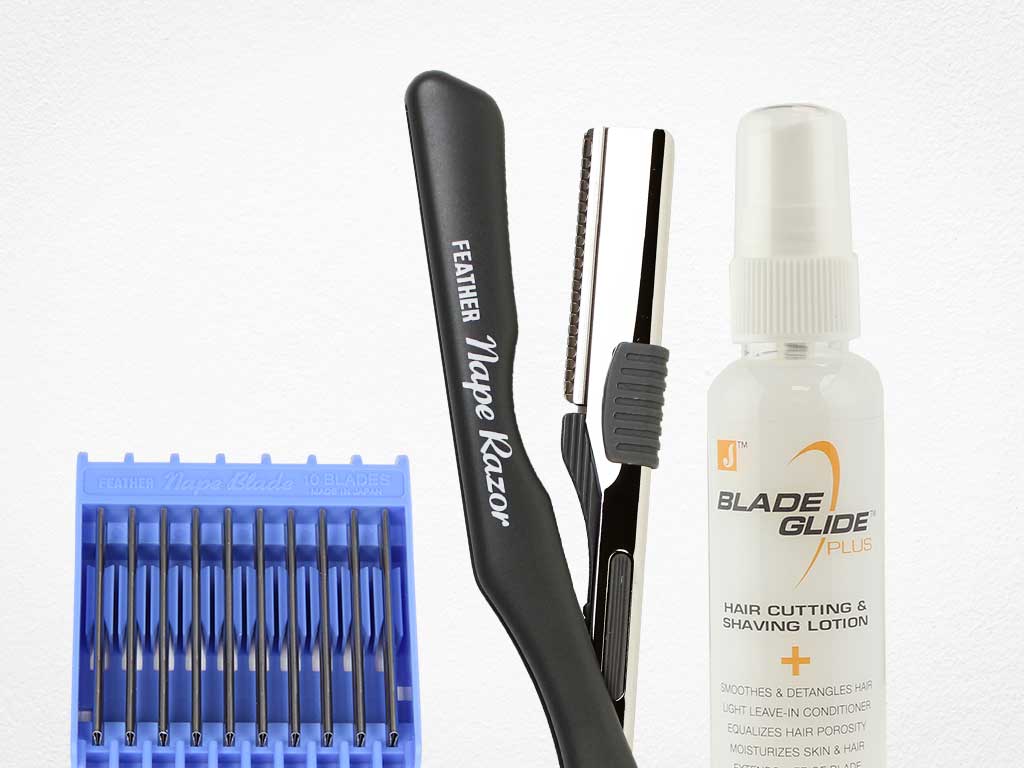
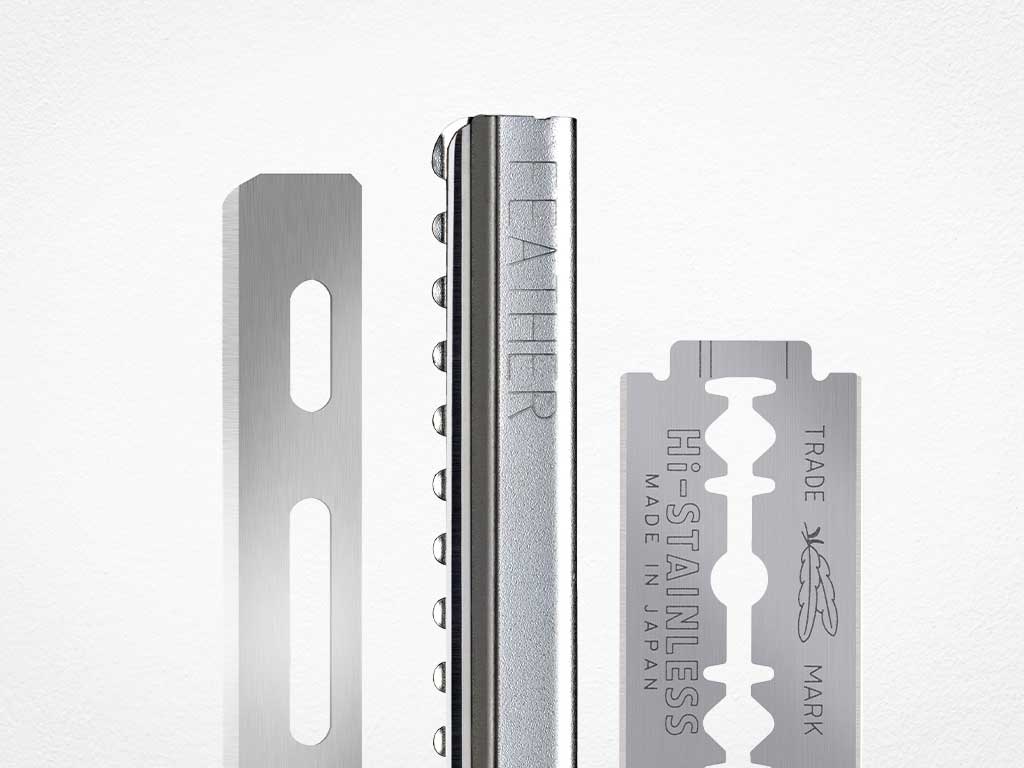
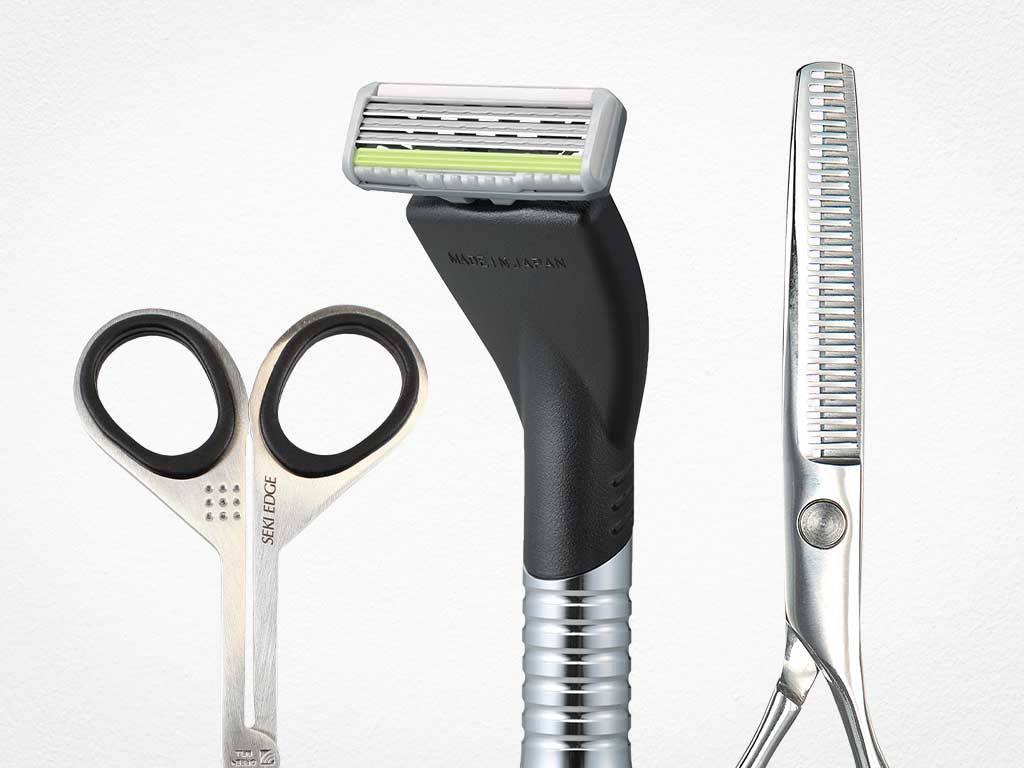
Then we're going to use our Feather Plier Razor. This is a no guard razor. It gives me the cleanest cut and the most control of each cut line that I do. So be careful with this. Be mindful once you learn how to use it. It is a brilliant, brilliant tool.
We're going to take a vertical section in the center of the back of the nape. I'm gonna hold that out and imagine what angle of graduation that I want to start building. So, I'm going to start cutting from long and then angling that into the short right at the very hairline in the nape.
Make sure I get that clean. Clean up that little bit right there at the hairline. Find out if that's my graduation that I want. Then I'll take a parallel section as I walk that guide from the center of the back over to the right side of the head.

So I'll combine the first section that I cut with the second section using the first section as my guide and then continue walking that all the way over until I run out of hair at the area right behind the ear at the mastoid.
It's going to give me a nice clean graduation. Make sure that I don't have any lengths hanging off of the back underneath. And then we're going to do the same thing to the other side. You can see the end result here of this right side. We do the same on the other side.
Encouraging the Flip

And then we're going to take a parallel section as I walk up the back of the head. This is the same angle I was cutting underneath. But instead of holding this vertically, now I'm going to transition into horizontal sections.
And I'm gonna hold this out at whatever length that I think my little French bob is going to be, which is usually below the ear, right at the chin, maybe in between the chin and the ear. I'll hold that down.
Take a long broad razor stroke and cut that as one length as possible, but still maintaining a soft edge to it because I'm taking a very, very broad razor stroke. Checking and seeing if I have enough texture. If I don't have enough texture to where it will separate, then I'll take a longer, broader razor stroke so I can make sure I have a softness that I'm looking for to make this easy to style and to help it flip up.
Because I'm holding this parallel to the section that I'm cutting, I'm actually cutting the surface layer slightly shorter than the underneath layer. So, it's going to get more texture than the hair underneath of the section than on top of the section.
That is going to encourage all of this hair to want to flip up and build a lot of movement into it. Whereas, if I was to just hold this very, very flat, take a real short razor stroke and cut from the left to the right, that would give me more movement horizontally, but not vertically.
It won't allow that hair to flip up and flick out as much. It will make it move from center to the front more so. So, every way that I apply my cut with the razor is going to affect the way that the hair wants to move afterwards.

After I cut my first section there, I get my length the way that I want. I do the same thing on the other side. Now, I'll take my next horizontal section as I work from the back of the head around into the side of the head. I'll take a horizontal section, hold that down, follow my previously cut guide from underneath. Check that. See how the texture looks. That looks good.
And follow my guide from underneath as I work from the center back into the side of the head in front of the ear. Just continuing to comb everything clean, trying to keep my razor stroke the exact same width with each subsequent section that I cut.
Now, here we're moving into the side. The one side's easy to do, but then matching the other side is a little bit more difficult. So, the first side I cut and then match it on the other side.

Now, we're going to take our next section, which is parallel to the section I took underneath. Start in the center again. The exact same sectioning pattern that I was using before. And I'll keep working up the head until I run out of hair.
Making sure everything is cut with the same broad razor stroke until I run out of hair. Working from the center back all the way into the sides. And I'll do that on both sides. Start in the center and work to the front on each side, left and right. Checking my lengths to make sure I get the sides even. And then moving on to the next section.

Here's our last section. We've got just a little bit of hair hanging off here in the back. Not a whole lot, but we've got a little bit there on the side. So, I'll make sure that we get everything smooth and cut that same length so we have a nice pleasing shape.
Now, after I cut my length and I use that broad stroke, there's going to be some longer pieces that hang out. And that's what you'll see me pinching and then cutting to make sure that I don't have any real super long pieces hang out like that piece I just cut right there. Right there is another one. And anything that hangs out too long I'll cut off.
Creating Separation and Balance

Now I'll go through and take a vertical section starting with a pie section from the crown all the way to the nape. I'll take out the very underneath hair that I previously cut.
And now I want to go through and channel a little bit so I can get some more separation and also make sure that the top of the head the thickness matches the thickness from underneath because a lot of times people will have one area that's thicker than another area. And I want to balance those areas out so that one thick area doesn't stand out more so than another area that's thin.

This will come with experience and you'll start to feel where the hair is thicker on one side, thinner on the other side, thicker on top, maybe thicker underneath. And I want to balance that out as much as I can. So going through and taking a nice vertical channel section like this is a really easy way to go through and get separation and even out the thickness throughout the entirety of the haircut.
Follow us on your favorite social media @JataiFeather
Continuing to work from the center back all the way around into the sides until I get to the front of the head. And just being very, very methodical and trying to take out as much as needed, but not so much that I start to overly thin it and make the hair get sparse in one area. So, just be diligent and patient and methodical with your approach of your texturizing.
Now, we're just going to go through and check everything out. Make sure I got the textures like I want. Make sure that we've got our lengths like we want. We can see how if we were to let that air dry, that would dry very nice and soft and disheveled, but not completely out of control.
Blowdrying

Now, we're going to go through and blow it dry. And I'm going to use my hands to get some fullness underneath. And this is what I wish we could do with most clients and just pick them up, turn their head upside down, and blow it.
This makes it very easy to blow the nape and get a lot of volume without me having to overwork it. Now, I'll use my hands to separate the sections on the bottom and to start encouraging my hair to flip out. That's looking good.
Final Look

Here's our end result. And I think that this looks pretty good. I like the texture of it. It has this kind of anime feel to it. And obviously, the more that you exaggerate this kind of shape through here and get this to really piece out and separate, the more anime that you're going to get.
If you were to allow this shape to dry naturally, it would be much smoother and closer to the head and look more natural and not be as exaggerated as this. You could also go through with a little curling iron and put a little bit of wave to it and make it look very very soft and very feminine and pretty.
This shape is very versatile. The texture makes it easy to style in a hundred different ways. So add this to your repertoire and I think it will open up a world of possibilities for your clients and for you as well.
Check out Jatai Academy. There's all kinds of information on there that will make you a better hair stylist and barber. Also, let us know what you'd like to see in the future. Thank you so much for watching. We'll see you next time.
SHARE