Filter and sort

51 products

0 selected
$

0

$

675.00

0 selected
0 selected
0 selected
0 selected
0 selected
0 selected
0 selected

Jatai Heat Shield

JATAI Heat Shield

$14.95

Option Selector
Feather Wood Look Styling Razor

Feather Wood Look Styling Razor

$54.95

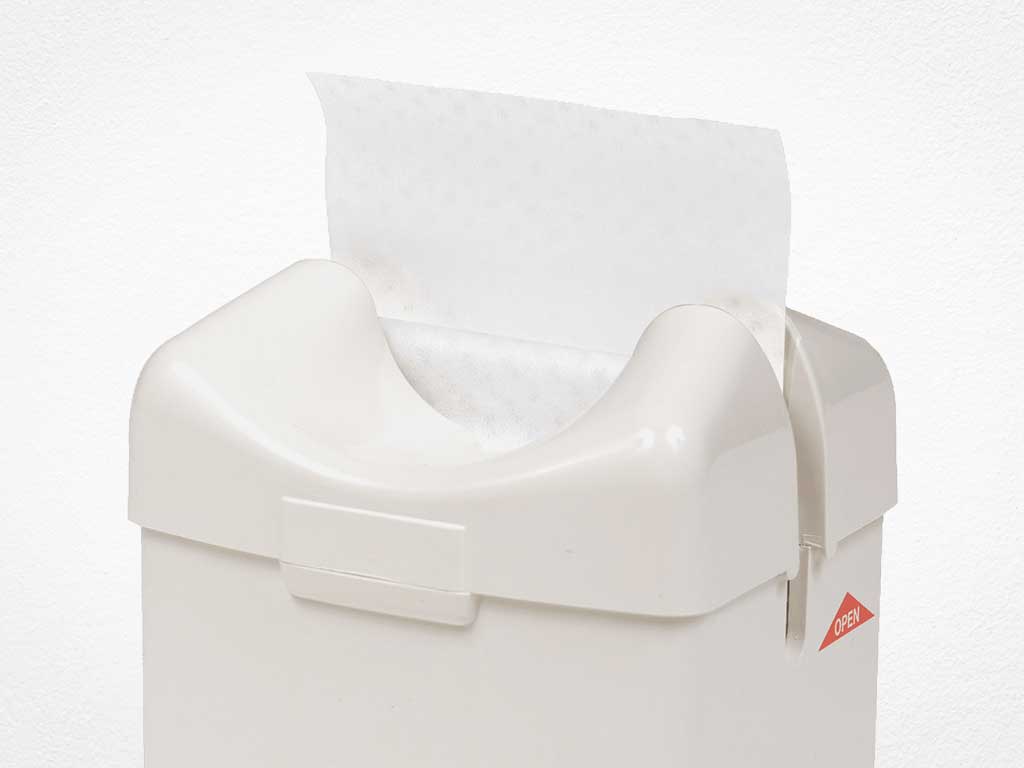
Fuji Paper 4 Pack - Front

Fuji Perfect Paper (4pk)

$12.40

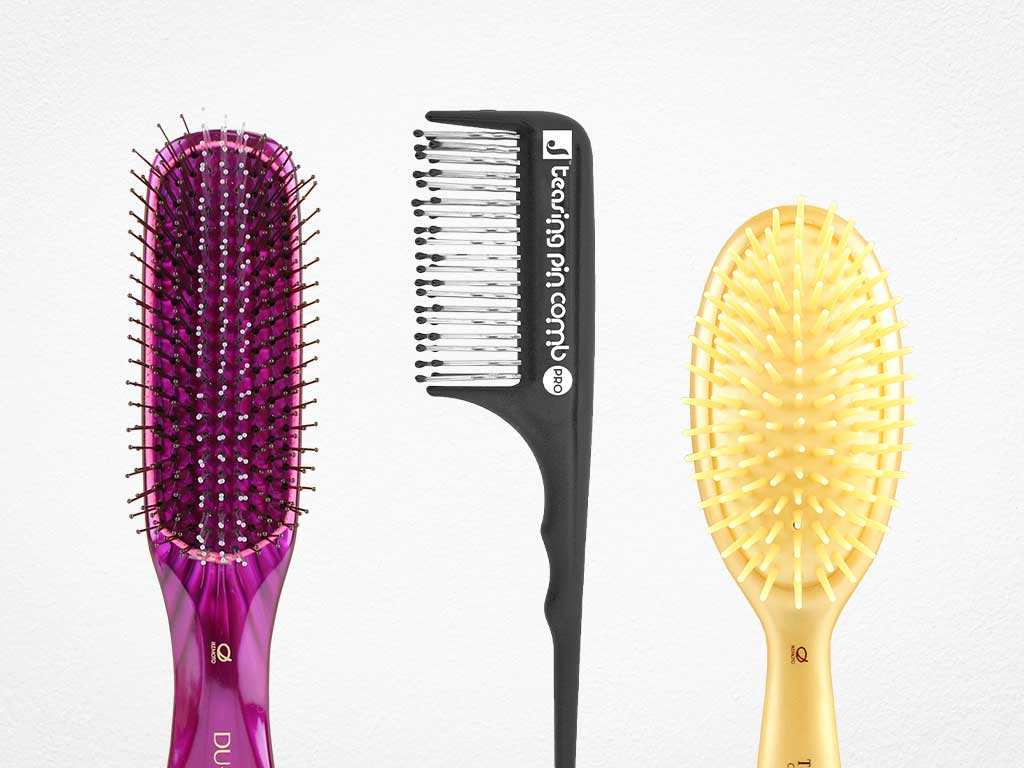
Ikemoto Tsubaki Oil Cushion Brush

Ikemoto Tsubaki Oil Cushion Brush

$7.00

DuBoa Anti-Static Aging Scalp Brush

Du-Boa Anti-Static Aging Scalp Brush

$15.00

Feather Styling Razor Kit  w/Metal Disposal Case - Wood-Look

Feather Wood Look Styling Razor Kit

$64.95

Fuji Perfect Paper for Grey and Color Processing 500 Sheets

Fuji Perfect Paper for Color Processing (500 sheets)

From $3.95

ASN-900 Du-Boa Anti-Static Styling Brush

Du-Boa Anti-Static Styling Brush

$10.00

JATAI Tokyo Scissors 5.5 (J-155)

JATAI Tokyo Scissors 5.5" & 6.0" by BMAC

From $360.00

Option Selector
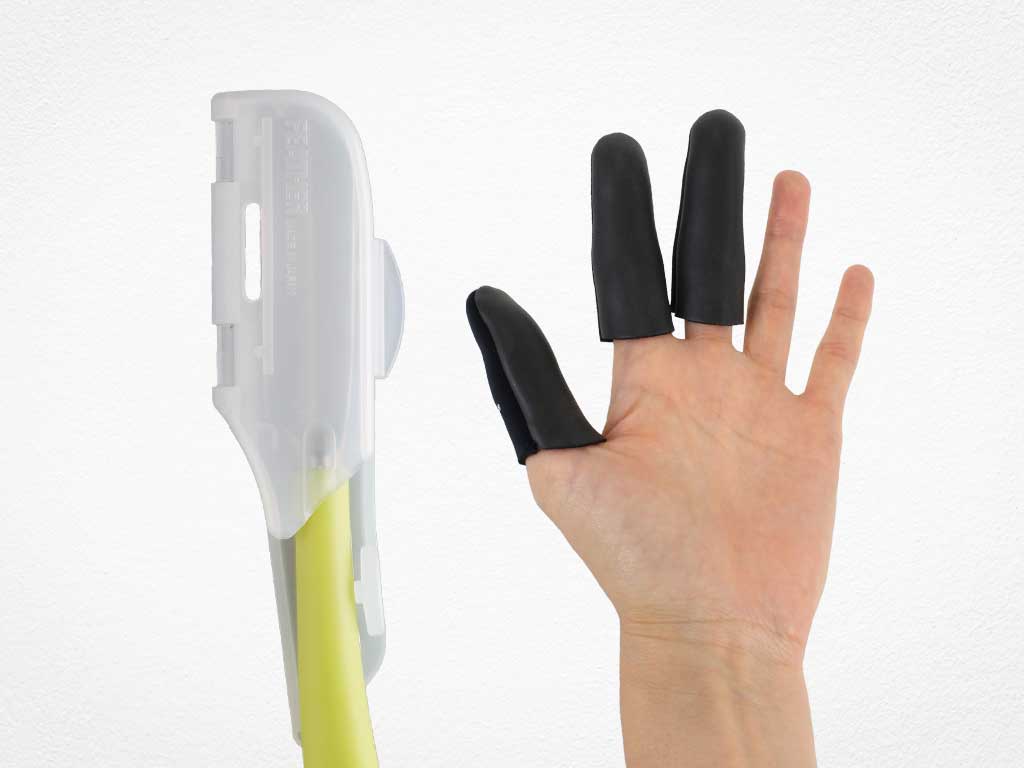
Snip Shield - Finger Protection - Grey

JATAI Snip Shield - M/L only

$9.95

Showing 48/51

RELATED ARTICLES

Get Rid of the Lawn in Your Nose with Nose Hair Scissors

Get Rid of the Lawn in Your Nose with Nose Hair Scissors

by JATAI, 22 Nov 2021
Nostril Hair Questions to Ask Yourself Have you ever seen someone that looked like they had a lawn growing in their nose? Or maybe you personally know someone who seems to think no one cares or notices their nose hair. If you've ever had a conversation with someone who has overgrown nose hairs, you might catch yourself staring at their nose instead of paying attention to what they're saying. It's not only uncomfortable but also embarrassing to watch.   Now that brings up the question, are YOU that person? Personal grooming is a matter of hygiene and it's generally known that the way you present yourself is representation of how well you take care of yourself. If you're not sure you're that person, take a good look in the mirror and determine if your nose needs some maintenance so you can avoid an embarrassing social situation. It only takes one overgrown hair to draw eyeballs.   Why is it that nose hairs can get so long? For the most part, this is a predominantly male problem, but it can occur with women as well. When it comes to males, hormones are responsible for long nose hair. Aging can also lead to long nose hair due to increased testosterone production and a decrease in female hormone production. While this is a natural occurrence, it can definitely be problematic.   So why do nose hairs exist again? Nose hairs play an important role when it comes to health. They are essential for filtering out dust, dirt, and environmental irritants. If harmful particles get past the nasal cavity, it can reach the lungs and create infection.   So what do you do if you have to mow the lawn? It can be very painful and scary to use scissors that have sharp tips if you don't know what you are doing. It's a very sensitive area and you have to be careful with how you approach nose hair trimming. Here is a no hassle, pain-free way of keeping your nose from looking like a chia pet.   How to Trim Nostril Hair 1) Wash the inside of the nose with a cotton swab moistened with water. Make sure the inside of the nostril is free of mucus. 2) Look into a mirror and tilt your nose up for visibility. Make sure you have ample light to see the hose hair clearly and to cut the nose hair properly. 3) Get a pair or nose hair scissors with rounded tips. You can also use an electric nose hair trimmer. The Seki Edge Nostril Hair Scissors or Rotating Nostril Hair Cutter are manual ways to cut nose hair. The nostril scissors have rounded tips, comfortable finger rings and hand-finished blades with a sharp cutting edge. The nostril hair cutter have rotating blades that cut the nose hairs as the blades move past each other. 4) Insert nose hair scissors into your nose and trim hairs, especially at the opening at the nostrils to make sure there aren't any nose hairs sticking past the nostril. Do not stick the nose hair scissors in too far. 5) When finished, clean the nose hair scissor blades to remove debris and bacteria with rubbing alcohol or soap and warm water. 6) If there are specific nose hairs you want to completely get rid of for whatever reason, you can individually pluck them out with a tweezer. However, it's best not to over tweeze as this can create irritation, infection and ingrown hairs. If you want to use tweezers, use a round tip tweezer so that the tips do not poke the inside of the nose. Using a tweezer will be a bit more painful as you can imagine, but it will completely eliminate that hair for a while. It is also very important that you don't aggressively trim your nostril hairs with either a pair of nose hair scissors or trimmers. Aggressive trimming may actually cause nicks to the skin tissue. This can create sores and pimples, which can become painful, inflamed and infected. Depending on how thick and long your nose hairs are, it may be necessary to trim nose hairs once or twice a week if necessary. It just depends on the rate of growth. Trimming nose hairs is not always an easy topic to talk about with friends and family. But none-the-less they are important topics. Having good hygiene and keeping up a grooming routine helps you put your best foot forward and increase confidence. Even a simple task such as trimming your nostril hairs can make a big difference. If you're ready to get rid of the lawn in your nose just follow these steps and you will be on the path to a fresh new look.   Health and Wellness
Cutting Your Hair at Home: Advice from Professional Hairstylists

Cutting Your Hair at Home: Advice from Professional Hairstylists

by JATAI, 19 Jul 2023
During the pandemic salons and barbershops were forced to close for an extended period. This caused many people to find new ways of maintaining their hair. Whether it be cutting their hair at home or letting it grow out and run wild, trying something different was forced upon many people. Hair professionals, on the other hand, had to learn how to cope with the lack of income coming in and got creative with how they could use their skills to make some extra money. One of those ways was teaching people how to cut their hair at home. Fast forward a few years later, many people have gladly returned to the salon and barbershops for their favorite services and haircuts. But many have adapted a new hairstyle and others have figured out they can cut their hair at home or at least do maintenance between haircuts. Some people even found they could razor cut their own hair completely. One might think that razor cutting your own hair is scary in fear of cutting off too much or cutting it wrong. There’s also the fear that razor cutting hair will leave hair frayed with split ends. This fear is valid but with a little knowledge this fear can easily be overcome. We asked some professional hairstylists if they could provide some tips for home users who want to get better at cutting their hair at home. Here’s what they had to say…   Gregory Patterson Gregory is a hairstylist based out of NYC. He’s a global educator and a celebrity brand ambassador. His IG is filled with quirky videos, haircutting tips and he always seems to be having fun! We asked him for 3 tips he could give for cutting hair at home. Here’s what he said.   1) PREP is EVERYTHING Especially when it comes to using the Feather Styling Razor at home, you want to use great tools in your hair that allows for an easy “slide and glide.” This not only helps you brush through any kinks or knots but also provides a perfect pairing when sliding your Feather Razor down the hair strands. USE A SUPER SHARP RAZOR BLADE!  You can get a couple uses out of your razor blade but use a freshie every time if possible. This creates clean sharp hair ends, avoids drag and helps to eliminate frizz and split ends. To eliminate frizz, you can use leave-in treatments, creams or oils that are right for your hair type and texture.   2)  Dry vs Wet Haircutting There has always been a debate about razor haircutting on dry hair vs. wet hair. Here’s my take… Call me controversial and a rule breaker (I’ve never been one to do things just one way), but I love to use my Feather Razor on both wet hair AND dry hair, especially when it comes to cutting your own hair. If you aren’t technically trained and don’t have a great understanding of hair physics, many things can go wrong when cutting wet hair. I always say “wet hair lies, dry hair truths.” Wet hair can bounce back, shrink up, group curls with strong hair growth patterns and create holes or imbalance in your finished shape. With dry hair (and specifically cutting your dry hair at home) it’s much easier to navigate the map. You see exactly what happens to the hair immediately. Whether you wear your hair air dried or blow dry it and style it, dry haircutting should be done after it’s in its final dried and/or styled state. So if you normally air dry your hair, wait until your hair is air dried and then dry cut it. And if you normally blow dry and style your hair, do that first, then dry cut it. If you always let your hair air dry (never or rarely blow dry it), dry razor hair cutting can give amazing results. You will see exactly where and what you want to take off, layer, texturize, and detail.   3)  “MORE means MORE” The MORE you lift the hair and cut, the MORE layering you create. Below is a great guide to follow to understand the effect you’ll get from lifting your hair at different “zones” and the layers that can be achieved. Cutting CLOCK GUIDE Remember, the higher you lift into a “time zone” the more layering you create, meaning the more hair you will remove. BEFORE you cut or slice the hair that’s in your hands, ask yourself every time “What time is it?” Is that the time you’re wanting? If so, go ahead and cut or slice the hair. If not, lift the hair higher or drop the hair lower and then cut your hair at this “time” all around your clock (head shape). So what are these time zones? Imagine a clock with the numbers 1-12 on it. Now apply this to your head where 6:00 is the floor and 12:00 is the top of your head. If you cut your hair between 6:00 (floor) and 9:00 (ear) your layering will land anywhere from your ears and below. This is minimal to moderate hair removal in terms of length and weight. Your hair will have movement and layering within that zone. Depending on how high you lift within this time zone, you will get soft layering that falls anywhere from your ear height and below. If you cut your hair between 9:00 (ears) and 12:00 (top of head), you will get moderate to maximum hair removal in terms of length and weight. The layers are dependent on what “time” you lifted the hair to. Hair will fall anywhere within the 9:00 to 12:00 zone AND 9:00 to 6:00 zone. If you elevate the hair from 6:00 all the way up to 12:00, all of the time markers will become touched (6:00, 7:00, 8:00, 9:00, 10:00, 11:00, 12:00). This is the maximum elevation which gives the maximum hair removal. Keep in mind that these time markers are in reference to the right side of the head. The same would apply to the left side of the head where the time markers would be 6:00, 5:00, 4:00, 3:00, 2:00, 1:00 and 12:00. It’s very important to establish what your end result looks like. Then, reverse engineer to determine which technique(s) you will need to achieve the desired shape, movement, layering and amount of weight removal. The main takeaways:   1) PREP is Everything. Use good quality tools and sharp blades. 2) Dry vs Wet Haircutting. It’s okay to dry cut (in my opinion) as you will see exactly where and what you want to take off. Just make sure it’s in the air dried or blow dried and styled state before dry cutting. 3) MORE means MORE. The higher you lift the hair before you cut, the more length and weight gets removed. The lower you lift the hair before you cut, the more length and weight stays on.  Use the Clock Guide to help determine how much hair removal you want to achieve.   Shay Mullins Shay is a hairstylist based out of Sacramento. She specializes in shags, mullets and creative haircuts. She has a cute, fun style about here that shows through her content. Every once in a while, you’ll see her razor cutting her own hair too! Here are her tips. 1. Never use a razor on dry hair.  You should only use a razor on wet hair because using it on dry hair will damage your hair and create split ends, leaving your hair looking and feeling frizzy and damaged. 2. Make sure you hold the hair you’re cutting taut. You should hold the hair taut to maintain control of the section you are cutting. Holding it loose can also create damage and frizz. 3. In this reel I’m removing internal weight from my hair so it looks less bulky without removing any length. I’m visually looking at my hair and seeing what looks heavy, grabbing those pieces and carving out anything that looks like it needed to go. If you do this at home be very mindful of what you’re cutting or you could accidentally cut into your length. After every carved-out piece I take, I then re-zhuzh my hair back into place to make sure it looks good.   Tiana Walter Tiana is a stylist who provides hair tips and tutorials on YouTube. She talks about her favorite products and gives some useful styling tips. She also uses a Feather Styling Razor.  Tiana’s content is educational and you can learn a lot from her in all areas of haircutting and styling. Here are her tips for cutting your hair at home. Cutting your own hair at home can be intimidating, but with the right tools and techniques, you can achieve a fresh new look and have some fun! As a hairstylist, I understand the importance of a good haircut and want to share three tips to help you successfully cut your own hair at home.   1. Invest in the right tools To achieve a professional-looking haircut, you need to have the right tools. This includes a pair of sharp scissors, a comb, and a hair clip. Avoid using kitchen or craft scissors as they can cause split ends and make it difficult to get a clean cut. A pair of hair cutting scissors will make the job much easier and ensure a smooth cut.   2. Cut your hair when it’s dry Cutting your hair when it’s wet may seem like a good idea, but it can actually be quite challenging. Wet hair is heavier and stretches when you comb it out, which can cause it to look longer than it actually is. This can lead to uneven or asymmetrical cuts when the hair dries. Cutting dry hair allows you to see the exact length and shape of your hair, ensuring a more accurate and precise cut.   3. Take it slow and steady When cutting your hair at home, it’s important to take your time and be patient. Start by washing and drying your hair, and then comb it thoroughly to remove any knots or tangles. When cutting, take small sections of hair and cut them one at a time. Don’t try to cut too much hair at once, as this can lead to uneven cuts or mistakes that are difficult to fix. Remember, you can always go back and cut more if needed, but it’s much harder to fix a cut that is too short. Before cutting hold the hair where it will “live” or land. Is this where you want the length to be? Take your time, take a deep breath and have fun! Cutting your own hair at home can be a fun and gratifying experience, but it’s important to approach it with the right mindset and tools.   Kelly Bird Kelly is a stylist and educator specializing in razor cutting. She loves to create shags, work with curls and natural texture, does non-toxic coloring and blonding and more. She is based out of Bellingham, WA. She offered some great tips. 1. Razor cutting works best when you have enough grow out to cut, at least an inch is ideal, less is doable once you have a bit more practice and understanding of the tool.Remember to step back and look at your work. We get up close in the mirror to see what we are doing when cutting our own hair so it’s important to take a couple steps back and really look at the shape. 2. Don’t start a home haircut when you are in a rush or have an event to be at. It just never works out well. 3. Take before and after photos for your own reference. It is so helpful to see the changes and take notes of what you do and don’t like. Adjust your technique next time. There are no rules despite what some people may tell you. We have all learned through trial and error. Wet hair, dry hair, small section, big section. Try different things and do what feels good to YOU! It’s your hair, you get to be an artist, and most importantly have fun doing it.   Megan Reid Megan is a hairstylist based out of Orlando, FL. She’s a lover of color services and does both scissor and razor cutting. She showcases some beautiful cuts and color on her Instagram page. She also chimed in with some tips on bang cutting. I love using the JATAI Feather Razor for cutting my own bangs! It’s perfect for taking off length and creating texture at the same time. My best advice would be to start with the hair wet, comb forward where you want to create your shape, and then start carving away! I choose to cut my bangs wet because I find the razor glides smoother through the hair. I will define it a little once the hair is dry with the razor as well! Another good tip is to always start with a new blade. Most importantly have fun! There’s so many cool shapes to create! Cutting your hair at home is best for in between maintenance. Whether it’s trimming bangs or adding in a few face framing layers, these can be done at home. But for full haircuts, it’s best to leave it up to a professional as they will have the proper techniques and skillsets to give you the haircut you want. Using a razor to cut your hair at home is easier to use than scissors simply because the cuts are less precise. With scissors, if you make a wrong snip it’s easily noticeable. Scissors are less forgiving. And as you can see, there is much controversy about cutting hair wet vs. dry.  If you’re looking to cut your hair at home which includes razor cutting, take some of the advice from professionals. Experiment a bit and see what works!   Product, Haircutting Razors, Tips & Techniques, Hair Trends
When to Use Scissors vs. Razors for Haircutting

When to Use Scissors vs. Razors for Haircutting

by JATAI, 30 Mar 2023
When it comes to cutting hair, there are many tools available to stylists and barbers. Two of the most common tools are scissors and razors. Both tools have their benefits and drawbacks, and knowing when to use each one is an important skill for anyone who cuts hair. In this article, we will discuss when you should use scissors versus a razor to cut hair.   What are Scissors Good For? Scissors are a staple in any hair cutting kit and it's the first tool a stylist or barber likely learns with. They are a versatile tool that can be used to create a wide range of haircuts, from blunt cuts to layered styles for both men and women and short and long hair. Scissors provide more control and precision than a razor. So if the goal is a blunt, defined, structured hairstyle, such as a one length haircut or a blunt bob, scissors are likely the best choice.   What are Razors Good For? Razors are best used for creating softer, more textured haircuts. Razors are especially useful for creating layers, adding texture and removing weight. Unlike scissors, razors can create a softer, more natural-looking finish that is perfect for a lived-in look. A lived-in style feels like someone has had the haircut for a while and it's not fresh out of the salon or barbershop. Some haircuts such as shags, pixies and mullets benefit highly from using a razor.   What about Curly Hair? Curly hair is a little tricky and controversial. Curly hair can be cut with either a scissor or razor, but the results really depend on the technique of the haircutter. Having control at the ends is key to prevent frizziness. Razors are often know to create texture so one might think razors are not appropriate for curly hair. However, if used with intention, razors pose no detrimental issues when cutting curly hair. Razors should be used to cut a soft line but not super textured. The lines should have some firmness to it with a definite line. It should be noted that scissors are not totally free from frizz creation. Sometimes using scissors or texturizing scissors to create texture at the ends can result in frizz. So learning from a professional who has a deep understanding of cutting curly hair is your best bet for how and when to use scissors and razors to cut curly hair.   Can Scissors and Razors be used on Dry Hair? It's widely accepted that haircutting tools are best used when hair is wet. But what about on dry hair? While stylists and barbers have differing opinions, many agree that dry haircutting is acceptable in certain instances. If at the end of the haircut you realize something was missed, a little dry haircutting is appropriate. So using scissors and razors for finishing touches is okay. But in general, for the full haircut, wet hair is best.   What else to Consider? When using scissors or razors to cut hair, it is important to use a sharp, clean blade. A dull blade can cause damage to the hair, leading to split ends and breakage. It is also important to use the correct technique when using these tools as improper technique can lead to uneven cuts and damage to the hair.   What about Hair Thickness and Density? With regards to hair thickness and density, it doesn't really matter. Razors and scissors can be used on any of these hair types. Again, it's all about the technique. It's good to note that razors are exceptionally good at removing weight and bulk in a more natural way but may not be as easy to use when it comes to thin or fine hair. The main takeaway when it comes to whether you should use scissors or razors to cut hair is to ask yourself what kind of hairstyle you're trying to achieve. You can create a bob with a scissor or a razor and you can get two totally different bob looks. Both tools are great and have their uses, but probably the best way to approach haircutting is to incorporate both for various areas of the haircut that would benefit from either tool. Knowing when to use each tool is an important skill for any stylist or barber which can help ensure clients receive the best possible haircut for their hair type and style. Tips & Techniques, Hair Trends

by , Liquid error (snippets/article-card line 139): comparison of String with 0 failed