Jatai Academy Trend Connect Desktop Banner
Jatai Academy Trend Connect Mobile Banner

TREND CONNECT

Trend CONNECT puts 'what's new' together for you when it comes to the season's most current trend updates in fashion, hair design, make-up, skin care, nails and grooming products. From the runway to the red carpet, Trend CONNECT puts you in touch with what really impacts your world as a stylist, barber, nail artist or consumer.

SIGN UP FOR UPDATES
Filter
How to Do a Manicure at Home in 7 Easy Steps

Health and Wellness

How to Do a Manicure at Home in 7 Easy Steps

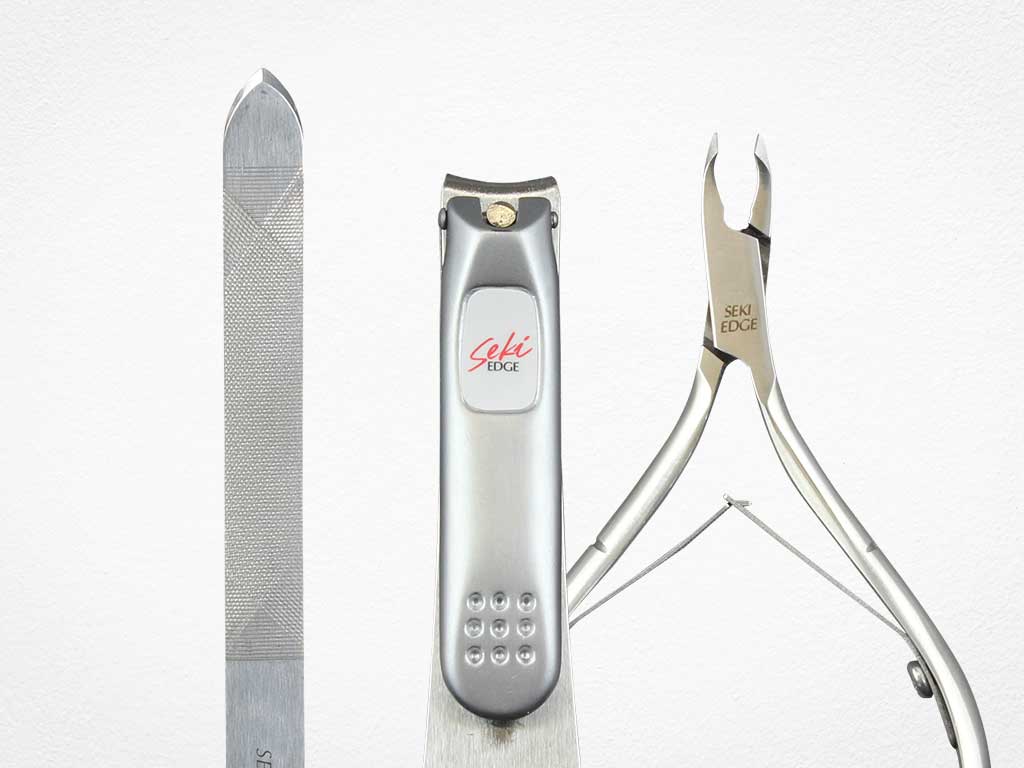
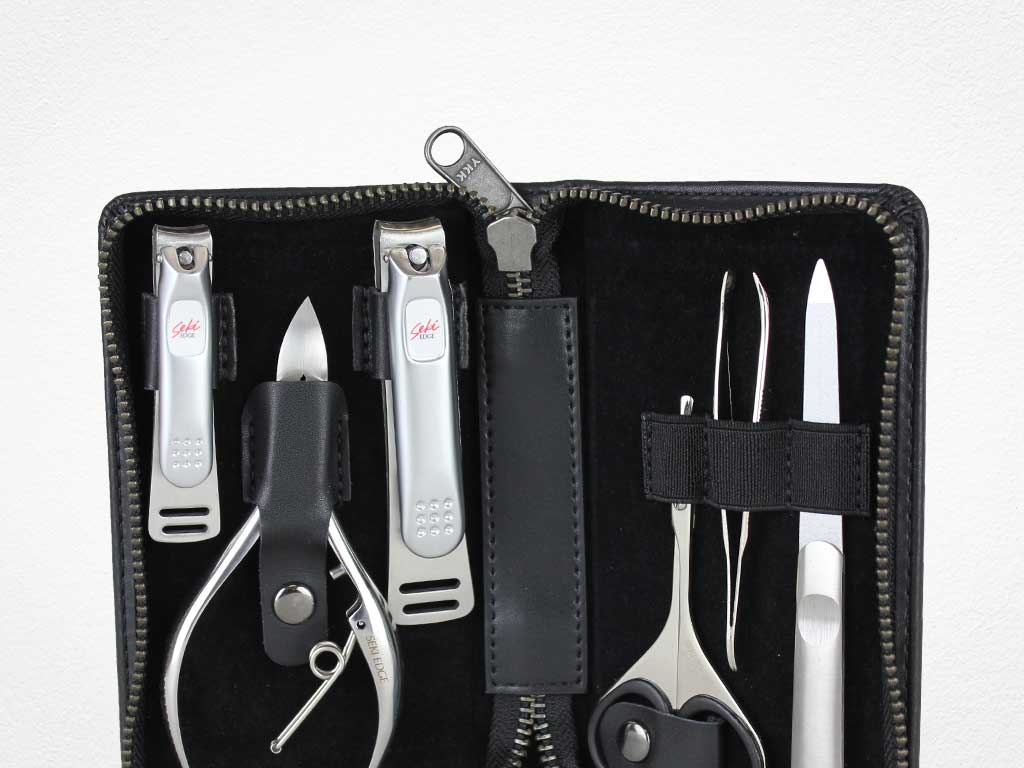
There are many reasons why people who don't go to a nail salon to get their nails done. For some it's the cost. For others it's that they are much more low maintenance and don't think getting their nails done regularly is a priority. However, just because someone doesn't go to the nail salon doesn't mean they don't care about their nail hygiene. Taking the do-it-yourself route can be a way to save some extra cash, learn a new skill and keep nails looking groomed. But like everything new, doing a manicure at home requires a little bit of simple education. When doing a manicure at home, you will need a few tools to get the job done. Quick, easy, and doable, you can have nice looking nails in as little as 15 minutes. These do-it-yourself techniques are great for both manicures and pedicures. And yes, men this DIY manicure is for you too! Women love to see men's nails groomed and manicured. Tools for a DIY Manicure Bowl of warm water Soft towel Nail clipper Cuticle pusher Cuticle nipper Exfoliating scrub Moisturizer-lotion, cuticle softener, coconut oil, and/or olive oil If desired: base coat polish, nail polish, finishing coat polish   DIY Manicure Steps 1) Remove Old Nail Polish To start your do-it-yourself manicure at home, you will first need to remove any nail polish or coating. Use a non-acetone nail polish remover to prevent your skin from over-drying. Acetone-free nail polish removed is also healthier for you. 2) Trim Nails with a Good Nail Clipper Be sure to choose a nail clipper that creates sharp clean cuts. Clippers that are of poor quality leave jagged cuts and will ruin your manicure leaving you frustrated. When trimming, you can cut your nails so that they are either square or rounded in shape. However, if you are prone to in-grown nails, it's important to cut your nails straight across and, therefore, give it a square shape. 3) File Edges Take a nail file and file down the rough edges. To file, stroke your nails in one direction. Filing back and forth can create split nails. When filing start with the rough side of the file first. Then switch to the finely textured side to smooth further. 4) Soak Cuticles Soak your cuticles in warm water for five minutes or use cuticle softener to loosen and soften the cuticles for removal. Use your index finger and thumb to massage your fingers and hands in a circular motion with moisturizing lotion. 5) Push Back & Remove Overgrown Cuticles Use a cuticle pusher to push back the cuticles. Remove excess cuticles with a sharp cuticle nipper. To use a nipper, clip and trim excess skin. The nipper should not tear the skin but simply clip off the excess cuticles so that your nail bed looks clean and neat. Don't forget to clip off any hangnails. Hangnails are pieces of skin that peel off around the cuticle area. If they are not cut off, you risk tearing off too much skin which could result in bleeding. 6) Exfoliate Exfoliate your hands with a body scrub or homemade mixture of olive oil and kosher salt or raw sugar. Scrub for a few minutes. Being sure to get all areas of the hands. Rinse off the scrub and moisturize your hands with lotion to soften the skin and soften rough spots. You hands should now feel super smooth. 7) Polish if Desired If you want to go further and add nail polish. Use a base coat first. Let it dry. Then apply a coat of enamel. Apply two coats or as necessary. Be sure to let the polish dry after each coat. Finally, apply a top coat to protect and seal the polish in. Doing a manicure at home can easily be done from the comfort of your own home. With a little know how and the right tools, you too can do your own manicure. When your nails look well groomed, it's a good sign of proper hygiene. Don't let hang nails and unruly nails be a turn off to other people. Instead, let them show you care about your hygiene. The only difference here is that you paid way less and saved yourself a trip to the salon.   Health and Wellness
Get Rid of the Lawn in Your Nose with Nose Hair Scissors

Health and Wellness

Get Rid of the Lawn in Your Nose with Nose Hair Scissors

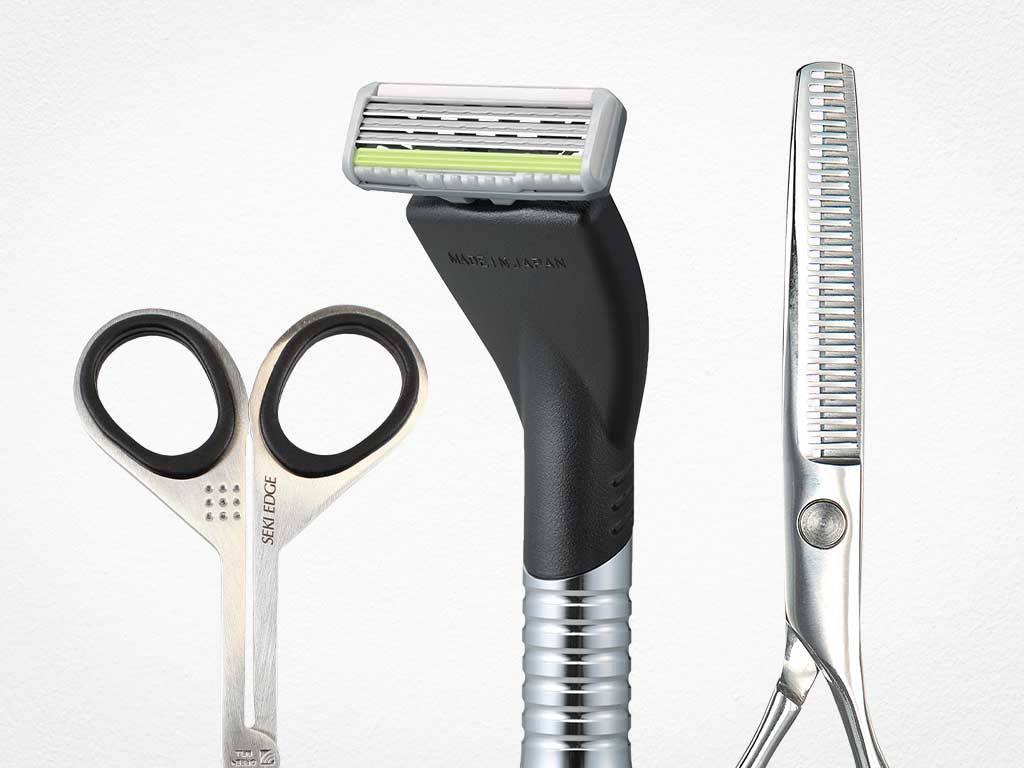
Nostril Hair Questions to Ask Yourself Have you ever seen someone that looked like they had a lawn growing in their nose? Or maybe you personally know someone who seems to think no one cares or notices their nose hair. If you've ever had a conversation with someone who has overgrown nose hairs, you might catch yourself staring at their nose instead of paying attention to what they're saying. It's not only uncomfortable but also embarrassing to watch.   Now that brings up the question, are YOU that person? Personal grooming is a matter of hygiene and it's generally known that the way you present yourself is representation of how well you take care of yourself. If you're not sure you're that person, take a good look in the mirror and determine if your nose needs some maintenance so you can avoid an embarrassing social situation. It only takes one overgrown hair to draw eyeballs.   Why is it that nose hairs can get so long? For the most part, this is a predominantly male problem, but it can occur with women as well. When it comes to males, hormones are responsible for long nose hair. Aging can also lead to long nose hair due to increased testosterone production and a decrease in female hormone production. While this is a natural occurrence, it can definitely be problematic.   So why do nose hairs exist again? Nose hairs play an important role when it comes to health. They are essential for filtering out dust, dirt, and environmental irritants. If harmful particles get past the nasal cavity, it can reach the lungs and create infection.   So what do you do if you have to mow the lawn? It can be very painful and scary to use scissors that have sharp tips if you don't know what you are doing. It's a very sensitive area and you have to be careful with how you approach nose hair trimming. Here is a no hassle, pain-free way of keeping your nose from looking like a chia pet.   How to Trim Nostril Hair 1) Wash the inside of the nose with a cotton swab moistened with water. Make sure the inside of the nostril is free of mucus. 2) Look into a mirror and tilt your nose up for visibility. Make sure you have ample light to see the hose hair clearly and to cut the nose hair properly. 3) Get a pair or nose hair scissors with rounded tips. You can also use an electric nose hair trimmer. The Seki Edge Nostril Hair Scissors or Rotating Nostril Hair Cutter are manual ways to cut nose hair. The nostril scissors have rounded tips, comfortable finger rings and hand-finished blades with a sharp cutting edge. The nostril hair cutter have rotating blades that cut the nose hairs as the blades move past each other. 4) Insert nose hair scissors into your nose and trim hairs, especially at the opening at the nostrils to make sure there aren't any nose hairs sticking past the nostril. Do not stick the nose hair scissors in too far. 5) When finished, clean the nose hair scissor blades to remove debris and bacteria with rubbing alcohol or soap and warm water. 6) If there are specific nose hairs you want to completely get rid of for whatever reason, you can individually pluck them out with a tweezer. However, it's best not to over tweeze as this can create irritation, infection and ingrown hairs. If you want to use tweezers, use a round tip tweezer so that the tips do not poke the inside of the nose. Using a tweezer will be a bit more painful as you can imagine, but it will completely eliminate that hair for a while. It is also very important that you don't aggressively trim your nostril hairs with either a pair of nose hair scissors or trimmers. Aggressive trimming may actually cause nicks to the skin tissue. This can create sores and pimples, which can become painful, inflamed and infected. Depending on how thick and long your nose hairs are, it may be necessary to trim nose hairs once or twice a week if necessary. It just depends on the rate of growth. Trimming nose hairs is not always an easy topic to talk about with friends and family. But none-the-less they are important topics. Having good hygiene and keeping up a grooming routine helps you put your best foot forward and increase confidence. Even a simple task such as trimming your nostril hairs can make a big difference. If you're ready to get rid of the lawn in your nose just follow these steps and you will be on the path to a fresh new look.   Health and Wellness
Removing Ear Wax: Ear Wax Removal Tool or Bulb Syringe?

Health and Wellness

Removing Ear Wax: Ear Wax Removal Tool or Bulb Syringe?

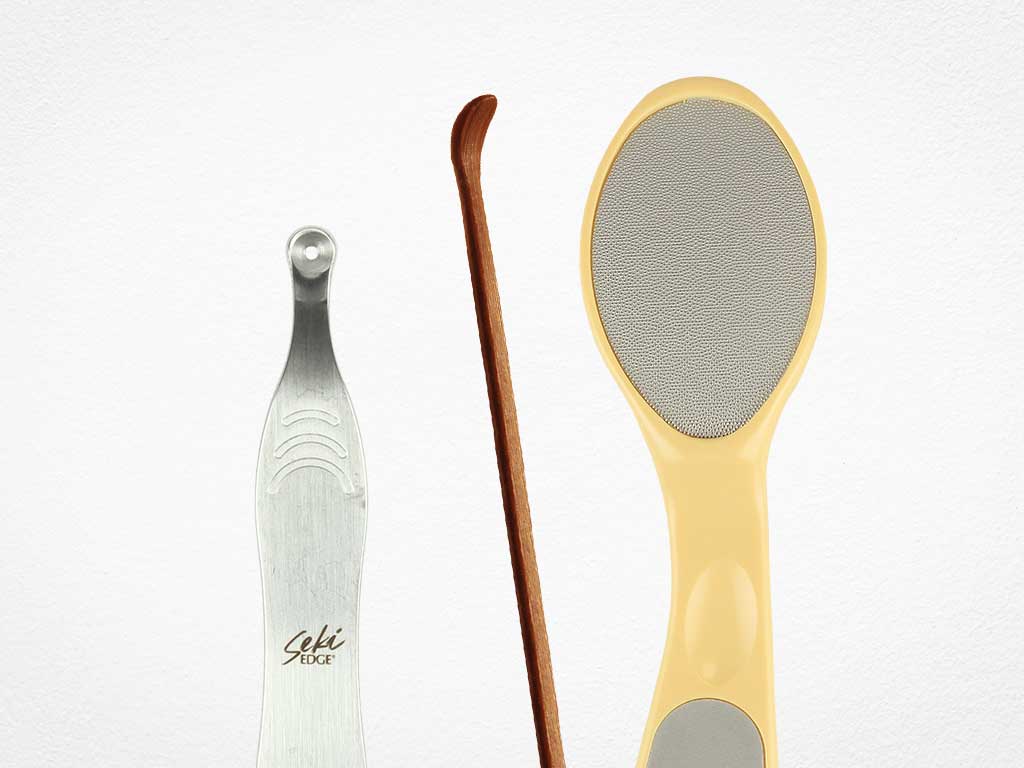
Earwax removal is a not often discussed. However, it's an issue people face all the time. Earwax is the natural buildup of debris in the ear canal. Over time it is important to remove the wax to keep the ears clean and to keep debris away from the eardrum. But not all ear wax should be treated equal. It's interesting to note that earwax takes a different form based on your ethnicity. People of Asian and Native American descent likely have earwax that's dry and flaky due to a recessive gene. People of European and African descent tend to have wet earwax due to a dominant gene. As you might guess, having dry or wet ear wax will affect what kind of earwax removal method you should use. Earwax removal may become necessary when you experience symptoms of earache, a fullness in the ear, partial hearing loss, tinnitus, a ringing noise in the ear, itching, odor or discharge. If this occurs, you could be experiencing impaction. Although most of the time you will just experience build up, impaction is also a possibility and should be taken seriously. Unfortunately, there is no way to prevent ear wax build up. It's natural for the sebaceous glands of the ear to produce wax. And on top of that, some people produce more wax than others. The best thing to do is to occasionally pay attention to any earwax build up and remove it to prevent impaction. Most of the time ear wax will naturally fall out due to jaw movements or chewing gum. However, if the wax does not come out naturally, there are several ways to take this into your own hands and clean it out yourself. Removing Wet Earwax One way to approach wet earwax removal is by irrigating the ear with a bulb syringe of mineral oil, baby oil, glycerin, or commercial drops from a kit found at a drug store. Wetting ear wax with these products for a few minutes can soften and loosen the earwax. Then, simply tilt your head to the side to let it drain out. In the United States and other Western countries where wet earwax is more prevalent, people like to use Q-Tips. Q-tips can be detrimental for earwax removal as the Q-tip can end up pushing the earwax deeper into the canal. Since Q-Tips merely consist of small cotton swabs at each end, there is no scooping piece to it that pulls it out. Also, ear candles are not a safe option either. Both Q-tips and ear candles can possibly do more damage than good and should be avoided. So if you want to have safe earwax removal that does the job choose either the liquid approach or use an ear wax removal tool.   Removing Dry Earwax For dry earwax a completely different method must be used and this usually involves an ear cleaning tool. In Asia, earwax is often removed by using ear picks. A highly popular removal method, the ear pick usually has a scoop or screw-like head that dislodges, removes, and acts as an earwax catcher. One must be careful when using an Asian ear pick and not push the ear pick in too far and damage the ear canal. For children, it is not uncommon to get their ears cleaned by a parent using an ear pick. Most Asian countries use similar types of ear picks so a Japanese ear pick is very similar to a Chinese one etc. Many are made of plastic or bamboo.   Health and Wellness
How to Fix Ingrown Toenails

Health and Wellness

How to Fix Ingrown Toenails

Ingrown toenails suck. They're painful. They are not easy to fix quickly. And did I mention they're painful? But once you get one, you know you have to do something about it. Most ingrown nails occur with toenails and usually it's with the big toe. So if the ingrown toenail is bad enough, it will hurt when you walk or put any significant pressure on the toe. So what is an ingrown toenail? If you're never experienced this kind of pain, you've probably never had one. Basically, an ingrown toenail occurs when the corners of the nail curve and grow into the skin. If left untreated, it could cause infection and most definitely pain. Imagine a hard nail driving into your skin all day long and every time you put pressure on the nail it drives it into the skin even more. Ouch! So what causes ingrown toenails in the first place? What Causes Ingrown Toenails? There are several reasons. One reason is of course genetics. Your genes told your toenail to be too big. Or maybe your genes make your toenails unusually curved...thanks mom and dad! Then, there's trauma. Toe stubbing can create injury to the nail and cause it to grow back differently. Or it's possible to hurt your toenail so bad that it got black and blue and eventually fell off. When the new toenail grows back it can grow back differently from before. But the most common cause is wearing shoes that are too tight or cutting the toenails incorrectly. What causes ingrown toenails can be a variety of factors where some are not in your control.   How to Fix Ingrown Toenails There are several home remedies for ingrown toenails. But if none of these work, it may be time to get in touch with a specialist like a podiatrist to remove it for you. Fixing an ingrown toenail will require some patience as well as active management on your part. Here are some things you can try. Soak the Nail First off, try soaking the ingrown nail in warm water for 15-20 minutes at least 3-4 times a day. This will reduce the swelling and pain. You can also try adding Epsom salt, tea tree oil or vinegar. Epsom salt can help reduce discomfort and loosen the skin away from the nail. Tea tree has disinfecting properties while vinegar has anti-fungal properties.   Use a Buffer Then try using a small piece of cotton or some dental floss and place it under the corner of the nail in order to lift the nail away from the skin and help it grow above the skin rather than into the skin. You can use a tweezer to help you if you find it difficult to achieve.   Apply Antibiotic Ointment Since the redness and swelling could lead to an infection, be sure to use an antibiotic ointment or cream on the area to kill the germs. Keep the toe bandaged. If it is already infected, you will need to get antibiotics from your doctor. One way to tell if it's infected is if you see pus. Yuck. Don't let your ingrown nail get this far! Wear Proper Shoes Proper shoes are one of the main culprits of ingrown toenails so this one is very important. Wearing open-toed shoes that do not restrict the toes are preferable. This means avoiding high heels or pointed toed shoes. Also, wear the correct shoe size. Any shoes that crowd your toes will put extra pressure on the skin against the nail. Give your toes some breathing space!   Use Pain Relievers as Needed Since ingrown nails can be painful while you are trying to fix it, be sure to take some pain relievers if necessary. Acetaminophen (Tylenol), ibuprofen (Advil, Motrin IB) or naproxen sodium (Alleve) are all good choices for temporary relief. Remember, pain relievers don't actually get rid of the problem but they will help you get through it as you treat the nail.   Cut Nails Straight Across Improper nail cutting is also a culprit. Instead of cutting the nails at the corners, cut nails straight across. When nails are cut at the corners, it encourages them to grow into the skin. This is exactly what you do NOT want. When you cut the nails straight across you are training them to grow straight and not curve inward. Use a nail clipper with a straight edge or if you have thick nails, use a nail nipper that helps to cut the nail straight across. It is also possible that you are cutting your nails too short. When they are cut too short, the pressure from shoes could cause the nail to grow into the skin. So let the nail grow out to the edge of the toe. For thick toenails, try the Seki Edge Ingrown Toenail Nipper to make small cuts across the top edge of the nail. Where most nail nipper jaws curve inward, these jaws curve outward so you'll never end up cutting into the nail corners. Be sure to disinfect the nail tools with rubbing alcohol or hydrogen peroxide before using so you don't inadvertently cause an infection.   Do Appropriate Exercises Avoid any kind of high impact exercise that could aggravate the nail. Running and jumping will only make you feel it more. If you are feeling pain already, you probably don't want to do this anyway, but it is always worth mentioning.   Eat a Healthy Diet Lastly, eat a healthy diet with lots of fruits and vegetables. You need proper nutrition for your body to fight off any infection and encourage healing. Also, avoid smoking. With these suggestions on how to fix ingrown toenails, at least one or more should be helpful. It will take some time to relieve the issue, but with careful attention and management you should be able to at least get some relief. Home remedies for ingrown toenails are always the first step, but if none of these help, it's time to see a professional.   Health and Wellness
Preventing Shoulder and Upper Back Injuries for Hair Professionals

Health and Wellness

Preventing Shoulder and Upper Back Injuries for Hair Professionals

While cutting hair can be stimulating for the mind, the profession can be rough on the body. Many hairstylists have developed an injury related to their job, often suffering from leg and back problems, as well as hand and arm stress. You might think these aches and pains are just a part of a hard days work, but they can become chronic and cause severe issues years from now. Some of the commonly diagnosed conditions attributed to the job include Repetitive Strain Injury, Carpal Tunnel Syndrome, muscle and joint tightening and strain, and trapped nerves. For hairstylist Jenn In upper back pain is a chronic issue. "After working as a hairstylist for close to 20 years, I have a lot of aches and pains. By far the worst physical one is in my shoulder blades, aggravated by having my arms raised in front of me for most of the day," she says. "Every stylist I know has big knots in their upper back and shoulders, but this feels like a knot that just won't go away." Sound familiar to you? What if that pain in your upper back and shoulder blade area isn't just a knot in the muscle, but instead a locked joint in the spine? Many hairstylists and barbers experience locked ribs, known as a subluxation of the rib and adjacent vertebrae. In this case the rib forms an articulation within the spine that becomes stuck. Muscles can spasm and eventually fibrotic tissue will form causing this to be a chronic and/or recurring condition. Having a rib "stuck" can also cause muscle tension around the joint, tightening in the trapezius and levator scapulae muscle across the back which in turn causes the neck muscles to tighten. The good news is you can oftentimes correct and prevent this common hairstyling injury. Dr. Douglas Cole, a chiropractor based in Los Angeles, has treated a number of hairstylists and barbers who suffer from rib subluxation over the course of his 20 years experience. His number one piece of advice: strengthen the muscles that surround the ribs to stabilize. Here are five upper back and shoulder strengthening exercises you can do if you have access to a gym or own free weights at home. Upper Back and Shoulder Strengthening Exercises Shoulder Press (palms facing in)   Lateral Raises Front Raise Reverse Flys (these hits the back of the shoulder and back to help stabilize)   Upright Row   Start by doing one set of 10 repetitions of each exercise without weight, taking 30-60 seconds rest between each exercise. Eventually, as you gain muscle strength, work up to 3-5 sets and add resistance with a set of light dumbbells (2-3 pounds). Don't have dumbbells? Two cans of soup are great substitutes. Some additional simple tips to help include: Keep your elbows tucked into your sides where possible. Avoid hanging your neck by adjusting your client's chair height. You can also bring yourself down by using a cutting stool which takes stress off your legs, back and core. Check your body positioning in the mirror throughout the day to make sure your ears are over your shoulder. Stretch your neck, arms, back and even your chest between clients. Wait, stretch your chest?! Yes. Pectoral muscles can get tight from holding your arms up in front of your body for long periods of time. Tight pectoral muscles pull your shoulders forward which can further aggravate shoulder and neck issues. (A quick stretch for tight pecs: Stand in a doorway holding your arms up like a goal post on either side of the door jam and lightly lean forward.) Breathe deeply to improve oxygen supply to the muscles. Keep well hydrated. This can help prevent the buildup of lactic acid in the muscles which can lead to soreness and tension. Above all else, listen to your body and be kind and gentle with yourself. Health and Wellness

Showing 29/29